Topic hub
Artificial Intelligence
Applied AI for the enterprise — readiness, agentic systems, RAG, machine learning, and the operating model for shipping AI into production.
186 articles in this topic.
- 300+
- Satisfied clients
- 21+
- Years of experience
- 88%
- Client retention
- 600+
- Projects delivered

Beyond the chatbot: Building a shared knowledge layer for AI agents
Recent retrieval releases give teams a practical opportunity: let different agents draw on shared evidence, while giving each task the search depth it actually needs.
Read the article
“It Looks Right” Is Not a Test Strategy.
A design gate we built reported every rule green on a completely blank page. A check that has only ever seen work that already passes has never demonstrated it can fail — it has only demonstrated that it agrees with you.
Read the article
Your AI Demo Is the Easy Part.
A twenty-step run died at step nineteen with 1.7TB free on the drive beside it. Nothing crashed, nothing was logged, and a stopped run looks exactly like a finished one — which is the failure mode a demo can never show you.
Read the article
The Prompt Isn't the Product.
AI amplified how fast I could produce a plausible answer. It did nothing to amplify how fast I could tell a plausible one from a correct one — and a type that compiled, passed review and was backwards is the smallest proof of that I have.
Read the article
From Twin to Decision: Simulating a Reorg Before You Run It
The most valuable thing a model of your organization can do is let you ask 'what if' before you commit. A twin lets you simulate a reorg, a system retirement, or a key departure against how work actually flows — and see what breaks.
Read the article
Company Brain Glossary: 40 Terms Every Executive Needs to Know
Forty terms grouped by the buying conversation they come up in — category naming, retrieval architecture, connectors, governance, delivery, outcomes — each defined the same way: what it is, why it matters, how it works.
Read the article
Vertical Twins as Seed Packs: Starting at Mile Ten, Not Mile Zero
Every organization in an industry shares a lot of structure. A vertical twin captures that shared structure as a starting point — data and configuration, not a new engine — so you begin modeling at mile ten instead of a blank canvas.
Read the article
A Twin That Updates Itself: Modeling on a Live Change Stream
A model of your organization that's accurate the day you build it and wrong a month later is worse than useless. An Enterprise Twin avoids that by projecting from a live change stream, so it reflects the organization as it is now.
Read the article
Key-Person Risk, Measured: Finding the Single Points of Failure in Your Org
Every organization has people it can't afford to lose, and most only find out who when they leave. Modeled as centrality on an organizational graph, key-person risk becomes something you can measure and act on in advance.
Read the article
Scoring AI-Readiness 0-100: Where Automation Actually Pays
'Where should we use AI?' is usually answered by a vendor survey and a hunch. An AI-readiness score answers it with a comparable number per process, built from the factors that actually determine whether automation will work.
Read the article
How to Evaluate Company Brain Vendors: 12 Questions Every Enterprise Should Ask
Most vendors in this category can demo a chatbot. Few can prove retrieval quality on your corpus, permission handling at the chunk level, freshness against live source systems, and operational ownership after go-live — the 12-question scorecard Sphere uses.
Read the article
The Opportunity Map: Turning an Org Model into a Build Backlog
An AI strategy deck is where good intentions go to die. An opportunity map is different: a ranked backlog of where automation delivers the most value against the least risk, drawn from a model of how your organization actually works.
Read the article
What an Enterprise Twin Is (and Why It Isn't an Org Chart)
An Enterprise Twin is a living, scored model of how your organization actually works — its systems, processes, and people — kept current from real change data. Unlike an org chart, it shows where work flows, where the single points of failure are, and where AI would actually pay off.
Read the article
AI Knowledge Management vs. Traditional Knowledge Management: What's Actually Different?
Traditional KM asks the employee to search, browse, and interpret. AI knowledge management lets them ask and receive a sourced answer — eight operational differences, from the primary verb to the quality benchmark, and what semantic retrieval actually changes.
Read the article
Per-Team, Per-Model Token Budgets That Actually Hold
AI spend is easy to start and hard to stop. Per-team, per-model token budgets turn an open-ended bill into an enforced allocation — limits that actually hold, with visibility into where every token went.
Read the article
The Real Cost of Ungoverned AI: Sprawl, Rework, and Risk
The token bill is the cost of ungoverned AI everyone sees. The larger costs — duplicated effort, rework from ungrounded answers, and the tail risk of a leak or a fine — are the ones that don't show up on an invoice until they're large.
Read the article
Enterprise RAG Checklist: 47 Questions Before You Go Live
Most enterprise RAG failures are a question nobody asked until the security review — or the week after launch. Forty-seven of them, across seven areas, to answer with evidence before you go live.
Read the article
Routing to the Cheapest Model That Still Passes the Eval
Using your most expensive model for every task is like taking a taxi everywhere. Cost-aware routing sends each request to the cheapest model that still meets the quality bar — saving money without a quality gamble, because the eval decides.
Read the article
GEO vs SEO: Getting Cited by AI, Not Just Ranked by Google
SEO optimizes to rank in a list of links. GEO — generative engine optimization — optimizes to be cited in an AI-generated answer. As more people ask AI instead of searching, the second goal starts to matter as much as the first.
Read the article
Enterprise RAG Glossary: 50 Terms Every AI Leader Needs to Know
RAG vocabulary sits awkwardly between engineering and the boardroom. Fifty terms defined in plain language, so a CISO, a CFO, and an ML engineer stop meaning three different things by "accuracy" and "grounding."
Read the article
llms.txt and Answer-First Content: Writing for the Models That Read You
Your content now has two readers: people and language models. Writing for the second one means being answer-first and machine-legible — and llms.txt is the emerging convention for telling models what matters on your site.
Read the article
Your Enterprise Needs an API for Agents, Not Just for Humans
For thirty years your systems served one kind of client: a person at a screen. Now a second client has arrived — AI agents — and they need a governed way in. That's what an agent-facing interface, built on the Model Context Protocol, provides.
Read the article
Company Brain vs. Confluence: Why Team Wikis Don't Scale to Organizational Memory
Confluence documents; a Company Brain answers. The documentation tax, curation rot, keyword search, and voluntary updates are why a team wiki cannot be the organizational memory layer — and why the fix is an answer layer above it, not a migration off it.
Read the article
A Tool Registry for Enterprise Agents: A Few Tools, One Front Door
An AI agent is only as capable — and as safe — as the tools it's allowed to call. A tool registry defines those tools explicitly: a governed, declared set of operations agents can discover and use, behind one front door.
Read the article
Authorizing an Agent: Letting AI Act on Your Systems, Safely
An agent that only reads is useful; an agent that can act is transformative — and dangerous. Authorizing an agent means letting it take actions on your systems under strict permissions, human approval for the irreversible, and a full record.
Read the article
How to Build an Enterprise RAG Business Case: ROI Framework for AI Leaders
Enthusiasm doesn't move a budget — a numbers-driven case does. The hard and soft ROI levers, real benchmark numbers, payback expectations, and a one-page template you can take to the board.
Read the article
Reranking and RRF: Getting the Right Chunk to the Top
An AI answer is only as good as the chunk it was built from, and the right chunk isn't always the one a single search method ranks first. Reciprocal rank fusion and reranking are how you get the best evidence to the top before the model ever sees it.
Read the article
Source of Truth, Not Source of Leaks: Governing What AI Is Allowed to Read
An AI assistant pointed at your company knowledge is either your best source of truth or your worst source of leaks, and the deciding factor is one thing: whether you govern what it's allowed to read. Access governance is the precondition, not the polish.
Read the article
Microsoft Copilot vs. Custom Enterprise RAG: Which Is Right for Your Organization?
For a lot of Microsoft-centric organizations, buying Copilot is the right call. The framework for when multi-system data, governance, or vertical accuracy means you need a custom RAG build instead.
Read the article
ACLs That Survive a Resync: Keeping Connector Permissions Correct
The hard part of permission-aware AI isn't checking access once — it's keeping the source system's permissions correct as connectors re-sync. A naive integration can quietly turn a restricted document into an open one.
Read the article
Connecting Slack, SharePoint, Salesforce, and Drive Without Leaking Scope
Connecting your AI to every system of record is where enterprise value lives — and where governance most often breaks. Governed ingestion means pulling content from Slack, SharePoint, Salesforce, and Drive while carrying each source's permissions with it.
Read the article
The Over-Sharing Trap in Enterprise Search, and How to Close It
An AI assistant is a confused deputy: it acts with more access than any single user should have. Point it at your documents without per-user permission enforcement and it becomes an over-sharing engine. Here's the trap, and how to close it.
Read the article
Manufacturing's AI Control Room: A Live Operational Twin
A manufacturing control room shows you the plant as it is right now. An AI control room adds a layer that understands it — a live operational twin over real telemetry, where you can ask what's happening in plain language and get a grounded, governed answer.
Read the article
RAG vs. Traditional Enterprise Search: Why Vector Search Alone Isn't the Answer
Swapping keyword search for vector search breaks what already worked. RAG and enterprise search are different tools for different jobs — and the strongest systems use both.
Read the article
Our Ledger Said It Had Been Tampered With. It Hadn't.
Our tamper-evident general ledger started reporting broken entries. Nobody had touched them: the same exchange rate was hashed one way on the way in and another on the way out. A control that raises a false alarm is not partially working — it is harmful.
Read the article
Enterprise RAG Platforms Compared: Build vs. Buy vs. Partner (2026)
Build-or-buy is the wrong frame. A RAG system is a stack of layers — here is which ones you must own, which are commodities to configure, and which are worth partnering on.
Read the article
RAG for Customer Support: Reducing Ticket Volume with AI Knowledge Bases
Two deployment models, one unglamorous prerequisite, and the design decision that matters most — knowing when not to answer. How to deploy support RAG for real ROI.
Read the article
The Model Flags. The Person Files.
Two Sphere solutions were recognised at the Global AI Awards this season. Neither is autonomous: in both, the model's authority ends before anything irreversible happens — and that constraint is the reason they were deployable at all.
Read the article
Nobody Could Say What Percentage We Checked.
Five people audited five percent of the carrier invoices and called it a process. The number that goes missing before every automation business case is coverage — what fraction of the work actually gets checked.
Read the article
Drop a Spec, Ship a Feature: The Self-Building Admin Console
The slowest part of building a feature was never the coding — it was the tickets, handoffs, and translation. A self-build console collapses that: drop a spec, answer a few questions, and a working feature lands on staging the same day, with production behind a human signature.
Read the article
RAG for Manufacturing and Engineering: Technical Documentation at Scale
Manuals, specs, CAD drawings, work orders — and the tribal knowledge that retires with your senior technicians. Multimodal, PLM/ERP-integrated RAG makes all of it queryable.
Read the article
The Work That Assigns Itself: Coordination Without a Manager
Most systems that coordinate work assume something is in charge — a scheduler, a queue, a manager holding the master list. There's another way, borrowed from how a heat map works: let the work signal how much it needs doing, and let effort follow the heat.
Read the article
The Copilot Pattern: Legal Redline, Sales Deal, PR, and Product-Ticket Agents
Most useful enterprise agents follow the same shape — a copilot that assists an expert inside one workflow. Templating that shape, with an evaluation baseline attached, is how you build the tenth agent in a tenth of the time.
Read the article
RAG for Legal: AI Document Review and Knowledge Management for Law Firms
Legal work is retrieval — and the least forgiving kind. Build legal RAG that cites the exact page, quotes clauses verbatim, and enforces privilege at retrieval.
Read the article
A Publish Gate for Prompts: Version, Test, and Roll Back a System Prompt
A system prompt is code that shapes every answer an agent gives — yet it's usually edited live, untested, with no history. Treating prompts like code, behind a publish gate, ends the era of quietly breaking an agent with a one-line tweak.
Read the article
Verification You Can Watch: Replaying Exactly What the Judge Saw
A pass/fail verdict you can't inspect is just another opaque score. Verification you can watch lets you replay exactly what the check saw and why it ruled — so you trust the gate, and can fix what it flags.
Read the article
Company Brain vs. SharePoint: Why Document Repositories Fail the Institutional Memory Test
SharePoint stores; a Company Brain answers. Keyword search, answers split across artifacts, invisible permissions, single-repository reach, and voluntary updates are why a document repository cannot be the institutional memory layer — and why the fix is an intelligence layer on top, not a replacement project.
Read the article
Continuous Evaluation and Drift Alerts: Catching the Day Your AI Quietly Got Worse
An AI agent that was correct at launch can quietly degrade — a model updates, the knowledge shifts, a connector changes. Continuous evaluation re-runs the agent's exam on a schedule and alerts you when the score drops, so you find out from a test, not a customer.
Read the article
Golden Sets That Do Not Rot: Building a Test Suite for an AI Agent
A golden set is an AI agent's exam — known questions with known-correct answers. Its whole value is in the curation and the upkeep. Here's how to build one that actually measures quality, and keep it from quietly going stale.
Read the article
Multimodal RAG: Retrieving from Images, PDFs, and Mixed-Media Enterprise Archives
A text-only pipeline reads an enterprise archive with one eye closed. Multimodal RAG makes the scans, charts, and drawings retrievable — and cites the figure that holds the answer.
Read the article
Compiled Is Not Done: Why "It Ran" Is Not "It Works" for AI
The most dangerous word in AI development is 'done.' A system that treats 'it produced an output' as success will confidently ship things that don't work. Verifying the outcome — not the activity — is what closes the gap.
Read the article
No-Code, Still Governed: Composing an Enterprise Agent Without Losing Control
No-code AI builders make it easy to ship an agent and easy to ship an ungoverned one. The interesting problem is letting non-engineers compose agents while every governance control still applies.
Read the article
Eval-Gated Publishing: No Agent Ships Until It Passes Its Goldens
In the AI Factory, an agent can't be published until it passes evaluation against a set of known-good questions at a configured threshold. Correctness becomes a deploy gate, not a dashboard you check later.
Read the article
Institutional Memory AI for Legal: Capturing Case Knowledge and Firm Intelligence
A firm's accumulated matter intelligence — prior briefs, redline history, client-specific positions, opposing counsel context — rarely lives in a single addressable system. Institutional memory AI makes it retrievable to authorized attorneys with privilege and ethical walls enforced at the architectural level, not as a policy hope.
Read the article
Graph RAG for Enterprise: Knowledge Graphs Meet Retrieval
Standard RAG finds the passage; Graph RAG follows the relationships. That capability is real — and so is the permanent maintenance tax, which most enterprise use cases have no reason to pay.
Read the article
Institutional Memory AI for Manufacturing: Capturing Engineering and Operations Knowledge
Most of a manufacturer's load-bearing operating context lives with the senior engineer, the plant manager, and the technician who knows what broke last time — not in the ERP. Institutional memory AI indexes the equipment manuals, drawings, CMMS / EAM / QMS records, and decision trails that already encode it, with multimodal retrieval over the PDF, diagram, and photographic corpus.
Read the article
RAG for Healthcare: HIPAA-Compliant AI Knowledge Systems
Clinicians trust sources, not summaries — which makes RAG a natural fit for healthcare and its hardest test. HIPAA safeguards, de-identified ingestion, and human review have to be architecture, not disclaimers.
Read the article
Institutional Memory AI for Financial Services: Domain Intelligence for Compliance-Heavy Organizations
In financial services the cost of a wrong answer is regulatory, reputational, and customer-trust cost — the answer has to be accurate, current, citable, and auditable. A Domain Intelligence Engine configured for the firm's compliance posture delivers governed answers: domain ontology, domain filters at retrieval, veteran-verified calibration, and a five-element audit trail on every query.
Read the article
RAG for Financial Services: Compliance-First AI for Banking and Insurance
In banking and insurance the question isn't only whether a RAG system works — it's whether you can explain it to an examiner. Auditability, permission control, and model risk management have to be architecture, not afterthoughts.
Read the article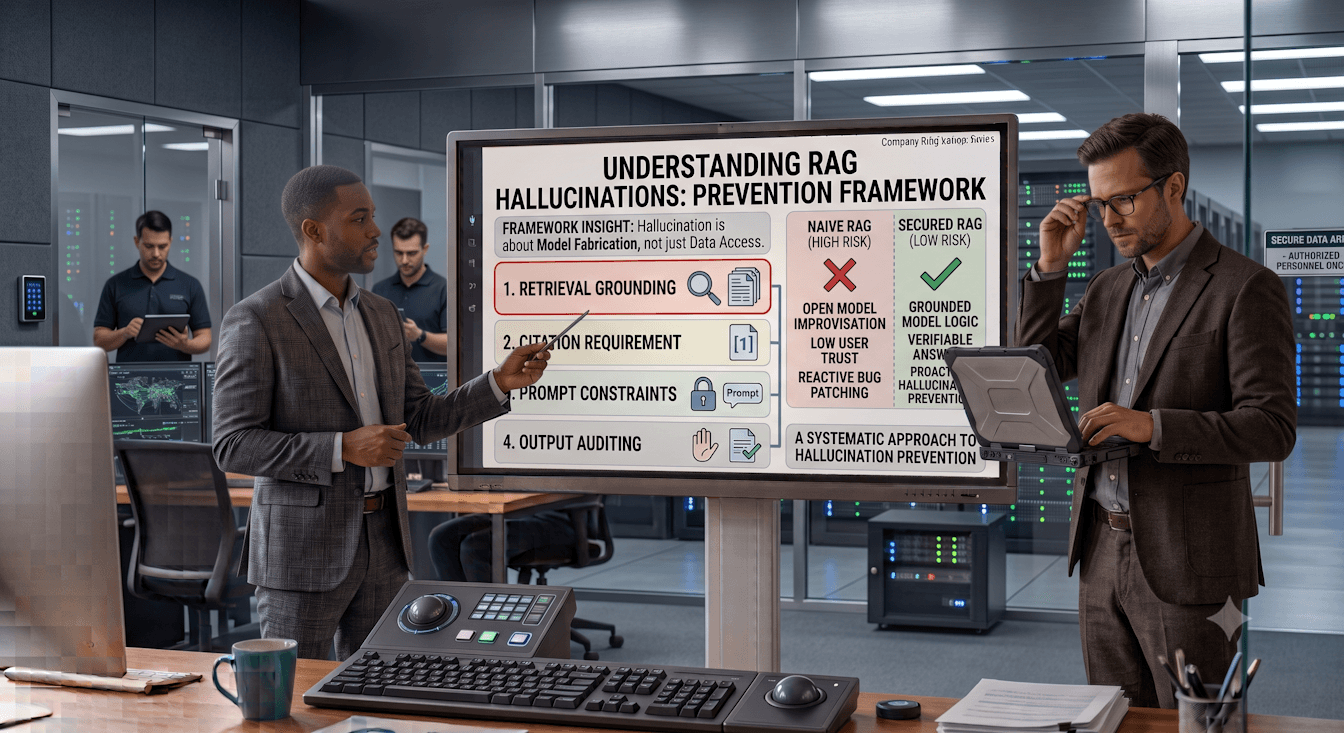
RAG Hallucination: Why It Happens in Enterprise Systems and How to Prevent It
RAG reduces hallucination — it doesn't eliminate it. When a production system fabricates, the culprit is almost always upstream: the answer-bearing passage was never retrieved, the index served a stale version, or the prompt let the model improvise. Here's the diagnostic that traces a wrong answer back to its layer, and the prevention stack — retrieval, freshness, prompting, no-answer behavior, red-teaming — that stops it recurring.
Read the article
Tax and Audit Firms: An AI Assistant That Shows Its Sources
Tax and audit work can't rest on an AI's unverified word — every position needs support. An assistant that shows its sources and keeps an audit trail fits how these firms already work: cite the authority, keep the workpaper, stand behind the answer.
Read the article
AI for Insurers That Underwriting and Compliance Both Trust
An AI assistant for insurance has to win over two hard audiences at once. Underwriting won't use it unless its answers are accurate, sourced, and explainable enough to stand behind. Compliance won't allow it unless it's controlled, permissioned, and auditable. Governed AI is built to satisfy both — grounded and explainable for the underwriter, controlled and recorded for compliance.
Read the article
Legal AI With a Citation You Can Defend
Legal professionals have a well-earned allergy to confident assertions without support — their discipline is built on citing authority. Legal AI that gets used is grounded in the actual documents and cites a verifiable source for every point, so every output is traceable and defensible.
Read the article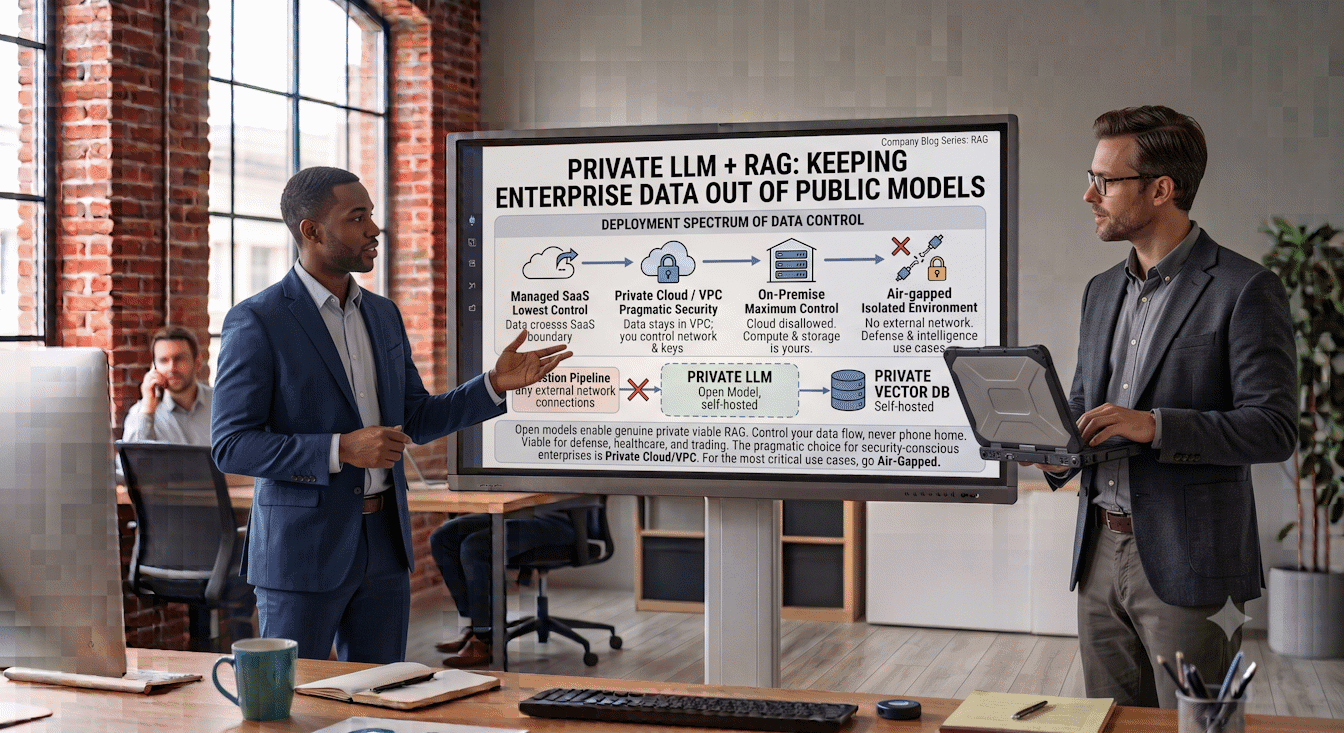
Private LLM + RAG: Keeping Enterprise Data Out of Public Models
For a defense contractor, a hospital, or a bank's trading desk, the prompt is the sensitive data — "send it to OpenAI" is a non-starter. Here's the architecture for a fully private RAG stack: a self-hosted open model, a self-hosted vector database, and in-boundary ingestion, with nothing routed through a third-party LLM — plus how to decide how far down the privacy spectrum (VPC, on-prem, air-gapped) you actually need to go.
Read the article
Why Enterprise AI Gets It Wrong, and What "Grounded" Fixes
Enterprise AI pilots fail less from bad models than from ungrounded ones — assistants answering from general knowledge instead of your facts, with no verification and no record. 'Grounded' is the fix, and it means four specific things.
Read the article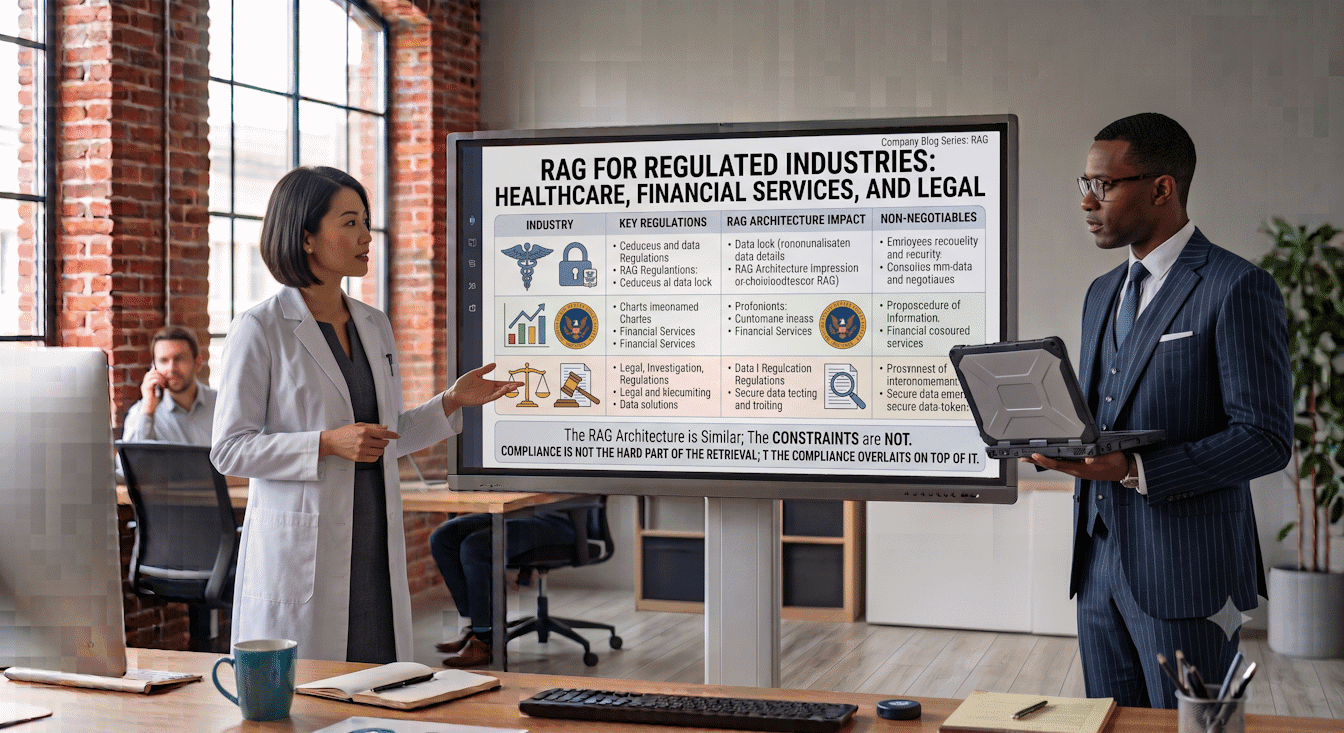
RAG for Regulated Industries: Healthcare, Financial Services, and Legal
Most RAG guides assume every enterprise is the same. For a hospital, a bank, or a law firm, the hard part isn't retrieval — it's the compliance overlay on top of it. Here's what actually changes under HIPAA, SEC/FINRA, and legal privilege, and the common thread — a tamper-evident audit trail and human-in-the-loop review — that runs through all three.
Read the article
Governed AI for Banks: Chat, Retrieval, and Audit Inside the Perimeter
Banks have the strongest case for AI and the strictest constraints on how to use it. The value — instant answers over decades of policy, product, and customer knowledge — is enormous; the rules around customer data, auditability, and accountability are unforgiving. The way to have both is governed AI that runs inside the bank's own perimeter: chat and retrieval over your knowledge, every answer permissioned, every decision on a record a supervisor can read.
Read the article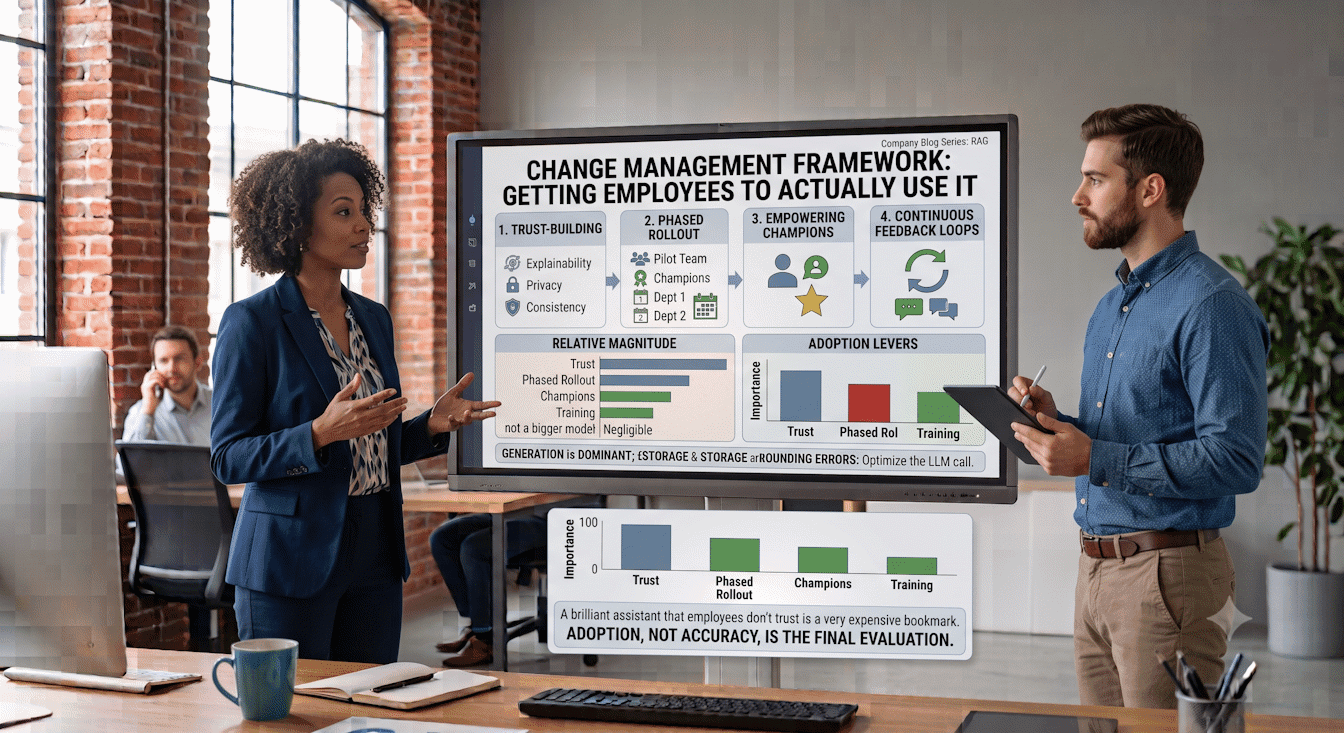
Change Management for Enterprise RAG: Getting Employees to Actually Use It
You can nail the architecture, pass every evaluation, and still fail — because the people it was built for don't use it. Adoption, not accuracy, is where enterprise RAG quietly dies. Here's the change-management half of the project: why employees distrust AI answers, and the four tools that earn adoption — citations, phased rollout, champions, and feedback loops.
Read the article
Institutional Memory AI for Healthcare: Continuity of Care in a High-Turnover Industry
Healthcare turnover is structural — the continuity an institution promises patients depends on operational knowledge surviving the people who carry it. Institutional memory AI holds approved protocols, scheduling logic, staffing rules, and patient-education content addressable to whoever is on shift, scoped to operational workflows rather than clinical judgment.
Read the article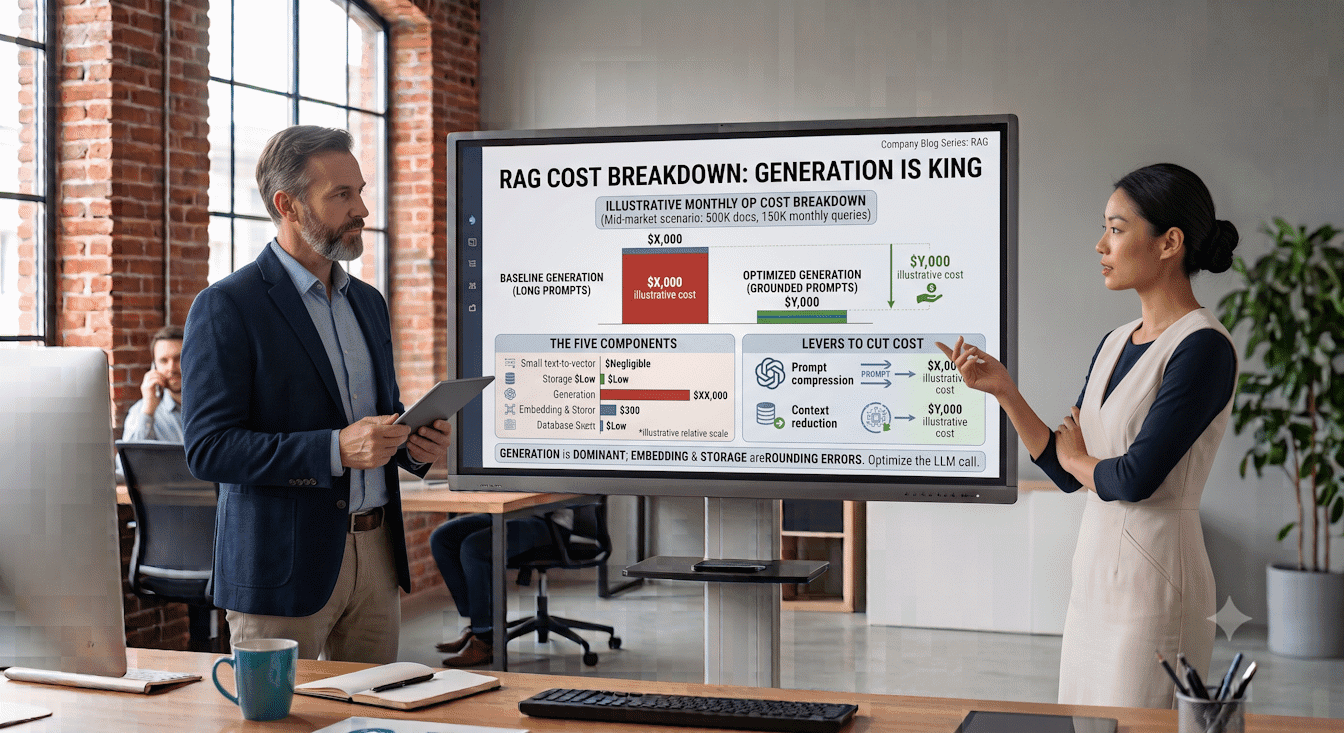
Enterprise RAG Cost: What It Actually Costs to Build and Operate at Scale
Ask a vendor what enterprise RAG costs and you'll get a shrug and a "it depends." It does — but the cost has a clear, predictable shape. Here's a transparent model: the five cost components, three architecture options, the cost per query, and five levers that cut spend without cutting quality — so you can model your own numbers and control them.
Read the article
Healthcare AI That Keeps PHI Inside the Boundary
Healthcare has the clearest AI value and the least room for error. An assistant over clinical guidelines, patient records, and administrative knowledge could save enormous time — but protected health information leaking, even once, is the kind of failure that ends programs and triggers penalties. Healthcare AI that works keeps PHI inside the boundary by design: redacted at the wire, processed where the data lives, permissioned per user, and fully recorded.
Read the article
Permission-Aware RAG: Why Your AI Must Forget What the User Can't See
The fastest way to turn a helpful AI assistant into a data breach is to let it retrieve without checking permissions. If your assistant reads every document and then answers everyone, it will eventually tell someone something they were never allowed to see. Permission-aware retrieval closes that gap: an answer can only ever be built from sources the person asking is already entitled to open.
Read the article
Data Exfiltration Through AI: The Quiet Channel Nobody Watches
Security teams spend years locking down email, USB ports, and file transfers, then connect an AI assistant to their most sensitive systems and forget it's a channel too. Every prompt is an outbound message, and an outbound message can carry data out. AI-assisted exfiltration is quiet precisely because it rides inside traffic that looks like ordinary use.
Read the article
Institutional Memory AI for Professional Services: Capturing What Your Experts Know
Professional services firms sell expertise — and too much of it lives in partner memory, inboxes, and prior work product rather than any addressable system. Institutional memory AI turns those artifacts into a searchable, governed, citable expertise base, without a documentation tax on billable time.
Read the article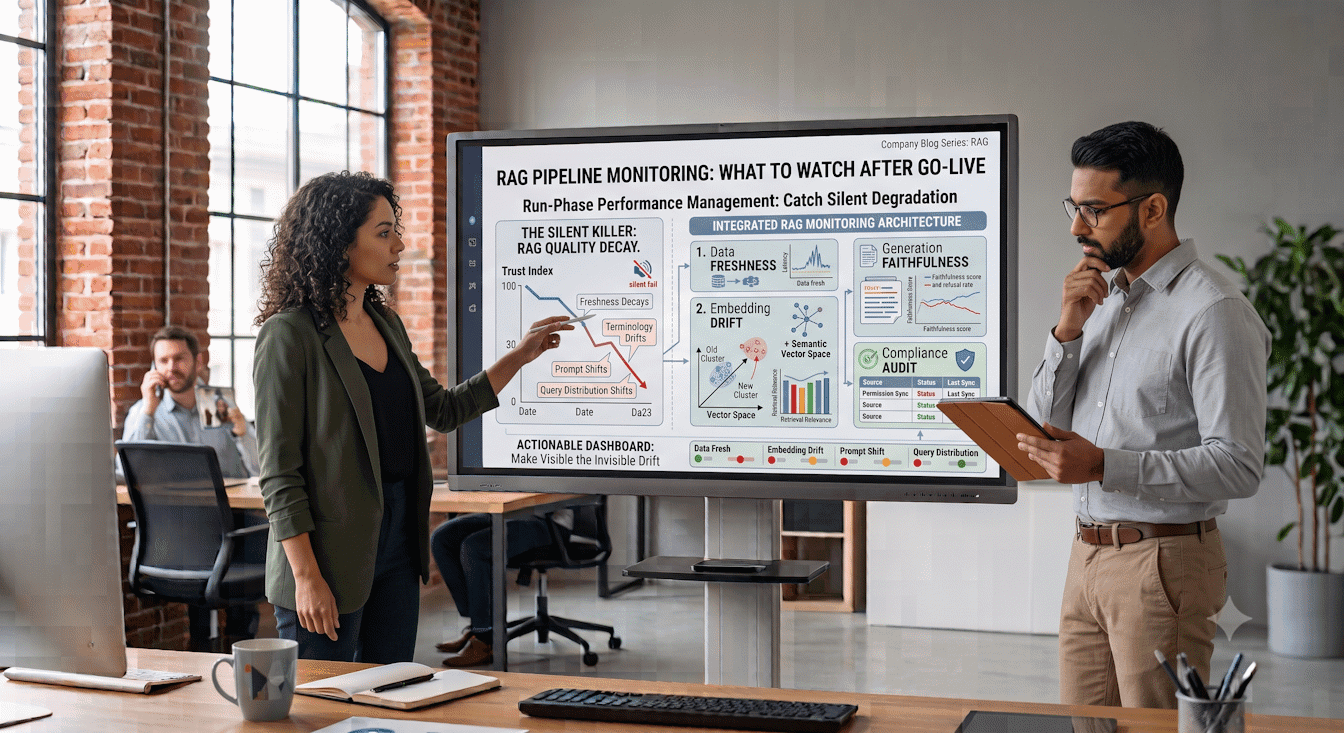
RAG Pipeline Monitoring: What to Watch After Go-Live
A RAG system doesn't fail loudly — it degrades silently, giving confident, well-formatted answers that are quietly getting worse. Here's what to monitor after go-live: retrieval quality, answer faithfulness, data freshness, and cost and security telemetry, so drift shows up as a dashboard blip instead of an executive complaint.
Read the article
Content Policy as Code: Turning an Acceptable-Use Policy into Enforcement
Most organizations have an AI acceptable-use policy. Almost none can show that it's enforced, because the policy lives in a document and the AI traffic lives on the wire, and the two never meet. Content policy as code closes that gap: the rules become runtime checks applied to every call, with a record that they ran.
Read the article
Guardrails That Do Not Cost You Latency
A guardrail that adds noticeable delay to every response gets turned off — quietly, by an engineer under pressure to make the product feel fast. The only guardrails that survive production are the ones cheap enough to run on every call without anyone noticing.
Read the article
Stopping Secret Leakage: Keeping API Keys Out of Prompts and Completions
A pasted stack trace, a hardcoded password, a model that echoes back a credential it retrieved — secret leakage is common and costly, and one of the most reliably catchable patterns in AI traffic.
Read the article
Jailbreak Defense That Survives the Next Clever Prompt
Jailbreaks evolve constantly, but they share recognizable shapes. Defending against them with another model is a losing arms race; defending against their structure is not. Here's how to build jailbreak defense that lasts.
Read the article
Red-Teaming Your Own AI: An Enterprise Playbook
You don't know whether your AI assistant is safe until you've tried to break it. Red-teaming turns that from a one-off exercise into a standing practice — adversarial tests run before and after every change, with the results on the record.
Read the article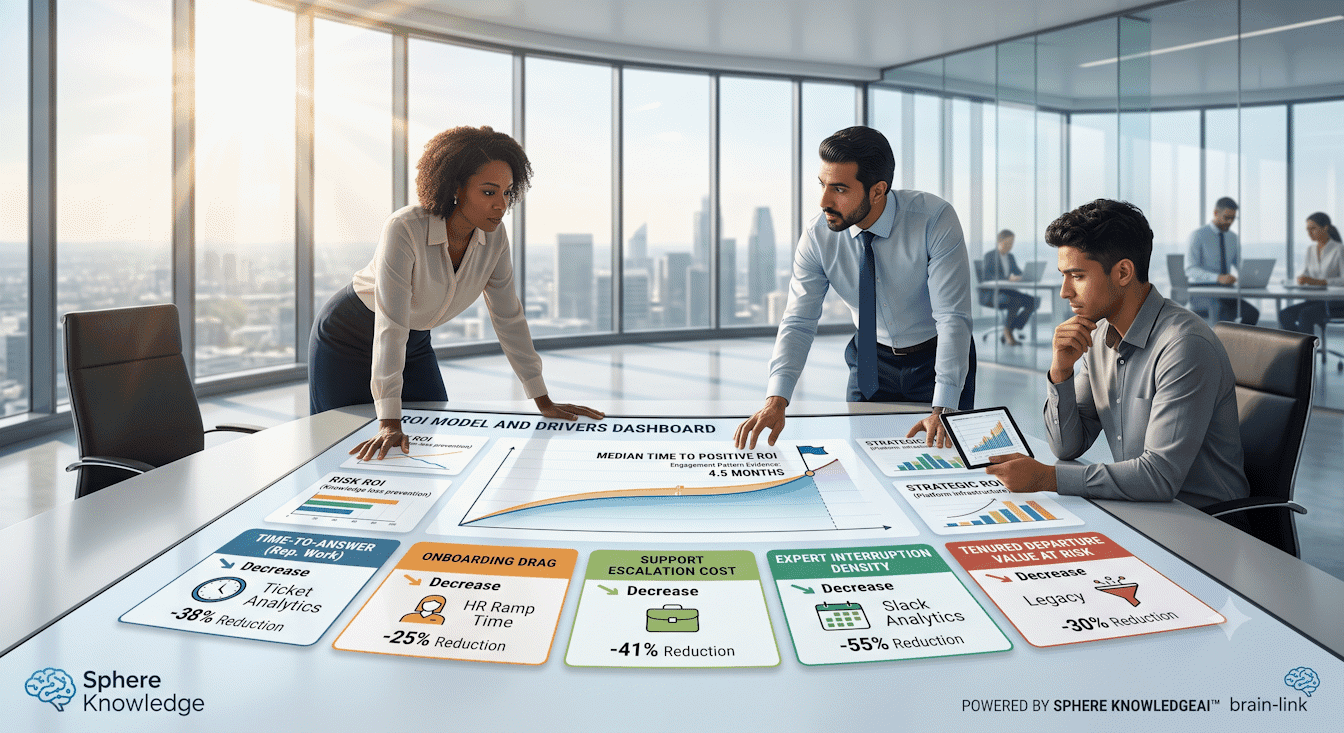
How to Measure Company Brain ROI: The Business Case for Institutional Memory AI
Most enterprise AI business cases get stuck justifying a soft productivity story. A Company Brain's payback runs through five measurable line items — time-to-answer, onboarding drag, escalation cost, expert interruption, and knowledge-departure risk — and Sphere's engagement pattern shows a median 4.5-month payback.
Read the article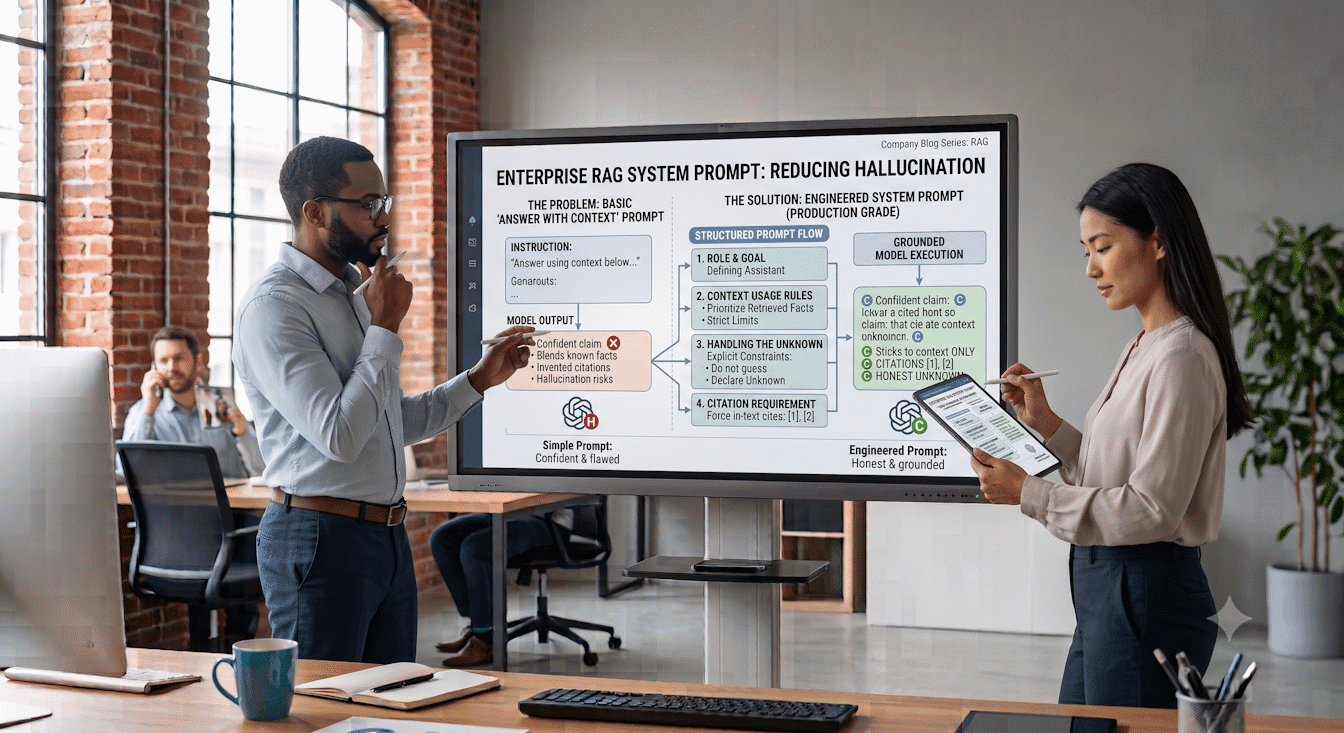
Prompt Engineering for Enterprise RAG: System Prompts That Reduce Hallucination
Retrieval delivers the context; the system prompt decides whether the model actually uses it. Here's how to engineer a production RAG system prompt — grounding, citation enforcement, graceful no-answer behavior, confidence calibration, multi-turn query rewriting, and defense against indirect prompt injection.
Read the article
Indirect Prompt Injection: The Document That Attacks Your Assistant
The most dangerous prompt injection doesn't come from the user — it hides in a document your AI retrieves. Indirect injection turns your own knowledge base into an attack surface. Here's how it works and how to neutralize it.
Read the article
Redacting PII at the Wire: Before the Prompt Ever Leaves Your Boundary
The safest place to remove personal data from an AI prompt is before it crosses your boundary. Redaction at the wire masks PII inbound and outbound as a runtime step, so the model gets the context it needs without the identifiers it doesn't.
Read the article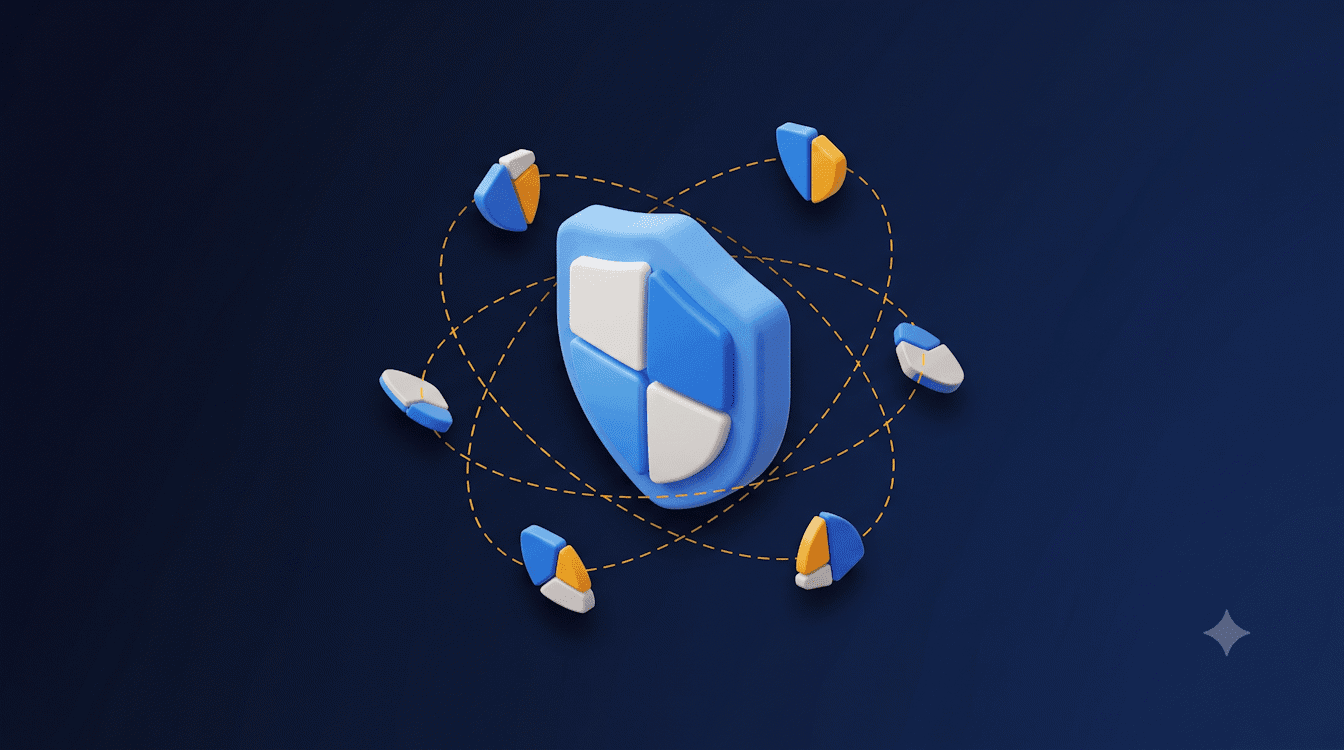
The 6 Attack Classes Every Enterprise LLM Faces
Enterprise AI faces a small, well-defined set of attacks on the wire: prompt injection, jailbreaks, data exfiltration, PII leakage, secret leakage, and unsafe tool calls. Here's what each looks like, and where it's caught.
Read the article
Why an AI Firewall Has to Be Deterministic, Not Another Model
An AI firewall inspects every prompt and completion crossing your boundary. For regulated enterprise AI it has to be deterministic — rule-based, repeatable, and auditable — not a second model guessing.
Read the article
Company Brain for M&A: Preserving Institutional Knowledge Through Acquisition
M&A due diligence covers technology, finance, security, and legal — and routinely misses how much of the acquired company's value is locked inside teams, tools, and informal processes. Here's the 45-day knowledge integration sprint that captures institutional knowledge before it walks out the door.
Read the article
AI Use Cases for Manufacturing: How AI Is Reshaping the Factory Floor and Operational Intelligence in 2026
AI in manufacturing means applying machine learning, computer vision, and language models to plant operations — predicting equipment failures, detecting defects, forecasting demand, and making decades of institutional knowledge instantly searchable. In 2026, the leading use cases deliver measurable ROI in 90–180 days, not multi-year transformation programs.
Read the article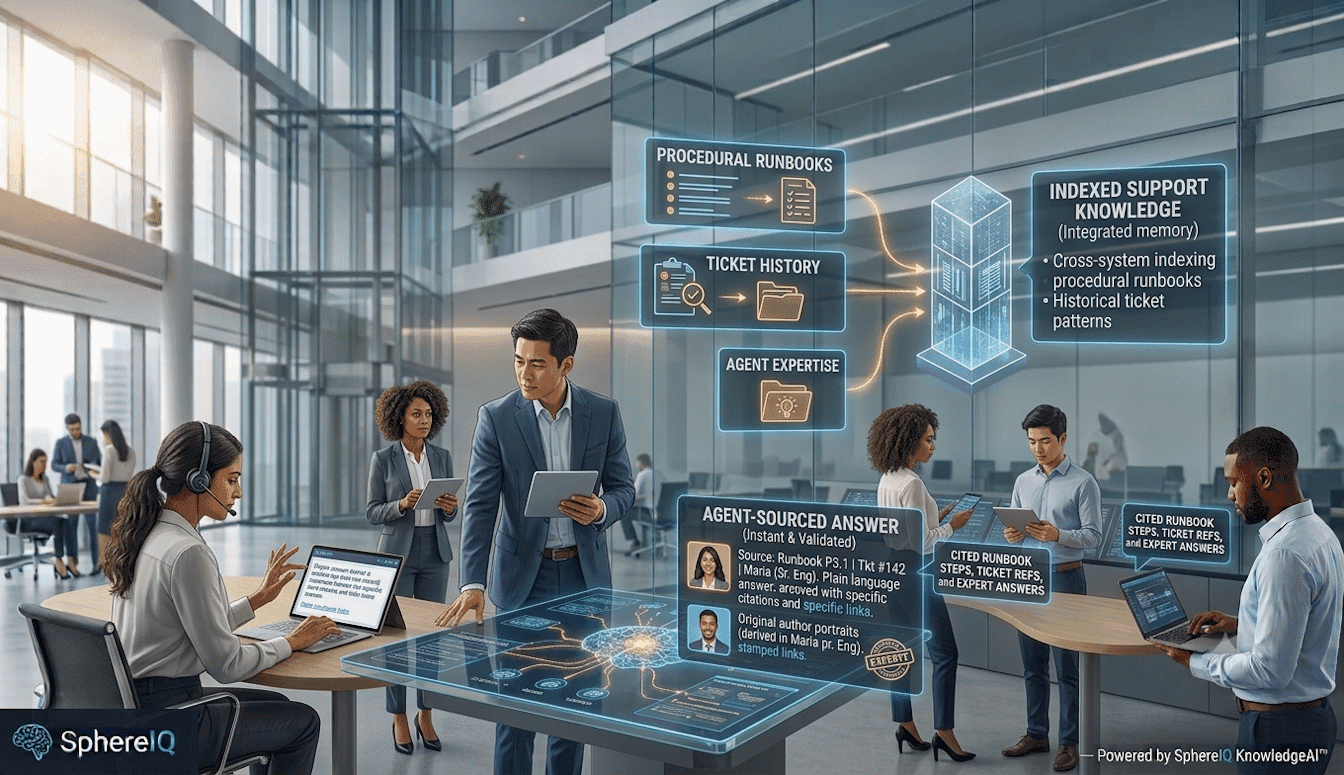
Company Brain for Customer Support: AI That Knows Every Answer, Every Time
Every agent knows part of the answer. The ticket system knows part of the history. The runbook knows part of the procedure. The customer waits on the line while three people are simultaneously searching for the same piece of information across three different tools — the operating reality of most enterprise support and operations teams.
Read the article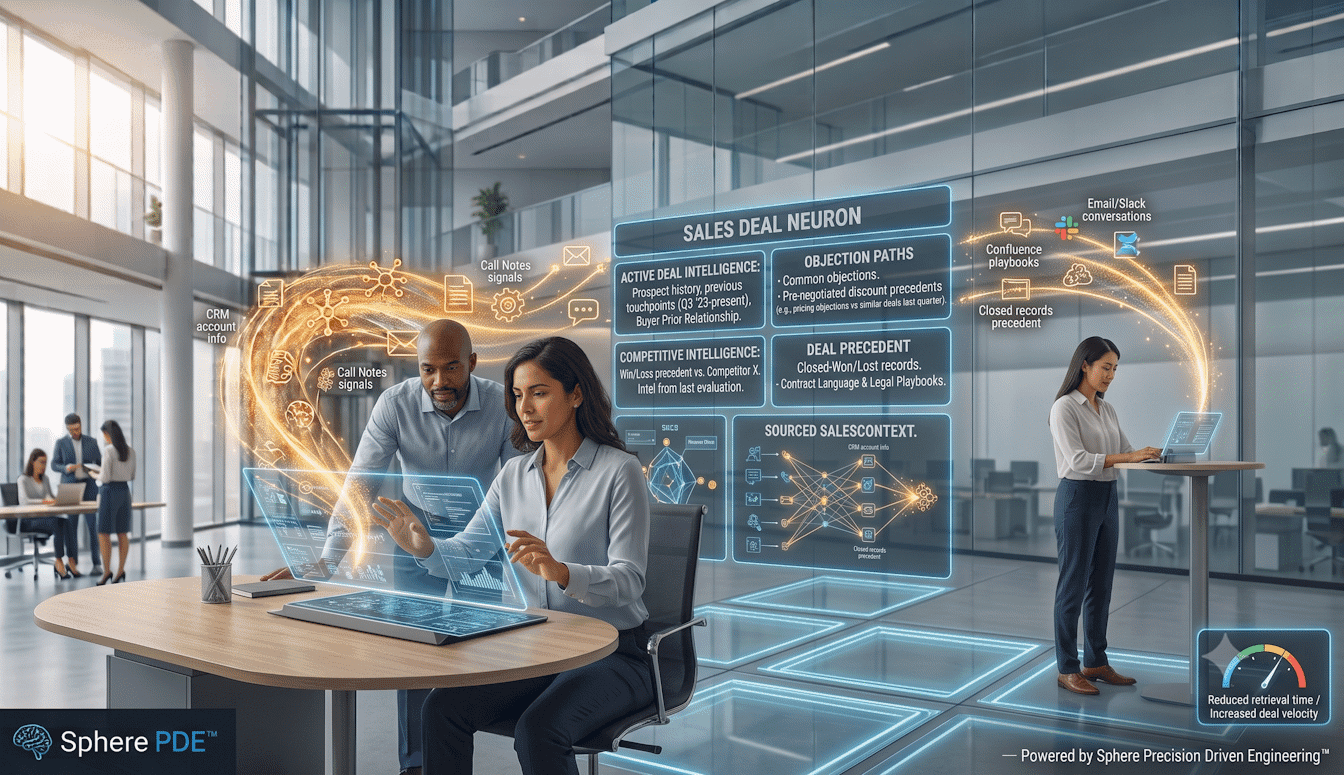
Company Brain for Sales Teams: AI That Knows Your Deals, History, and Product Better Than Any Rep
Sales organizations are sitting on more institutional knowledge than almost any other function — CRM accounts, call notes, proposals, objection history, competitive intelligence, prior-deal precedent — and the active reps can rarely retrieve it when a live deal needs it.
Read the article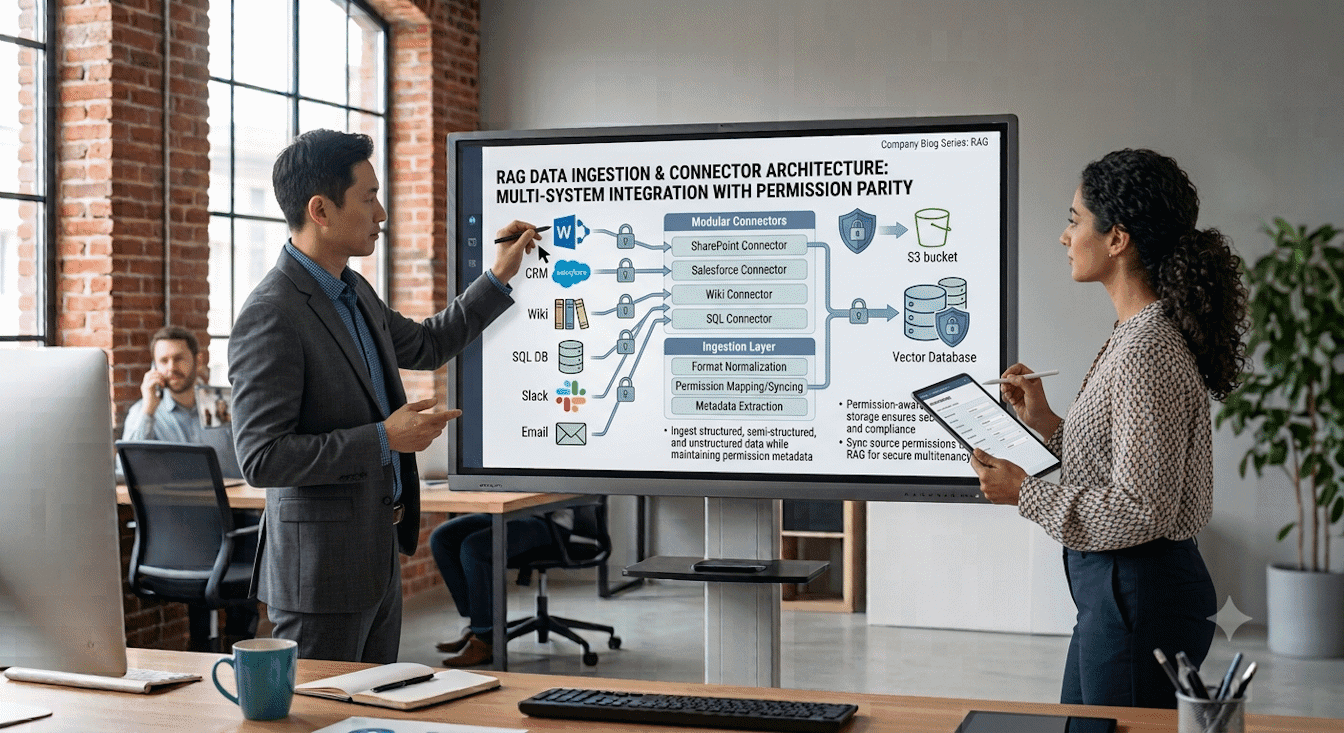
RAG Data Ingestion: Connecting Enterprise Systems Without Breaking Security
RAG projects don't die at the model or the vector database — they die quietly in the ingestion layer. Here's how to architect connectors, permission inheritance, format handling, and incremental refresh so enterprise knowledge reaches the index without losing permissions, mangling formats, or going stale.
Read the article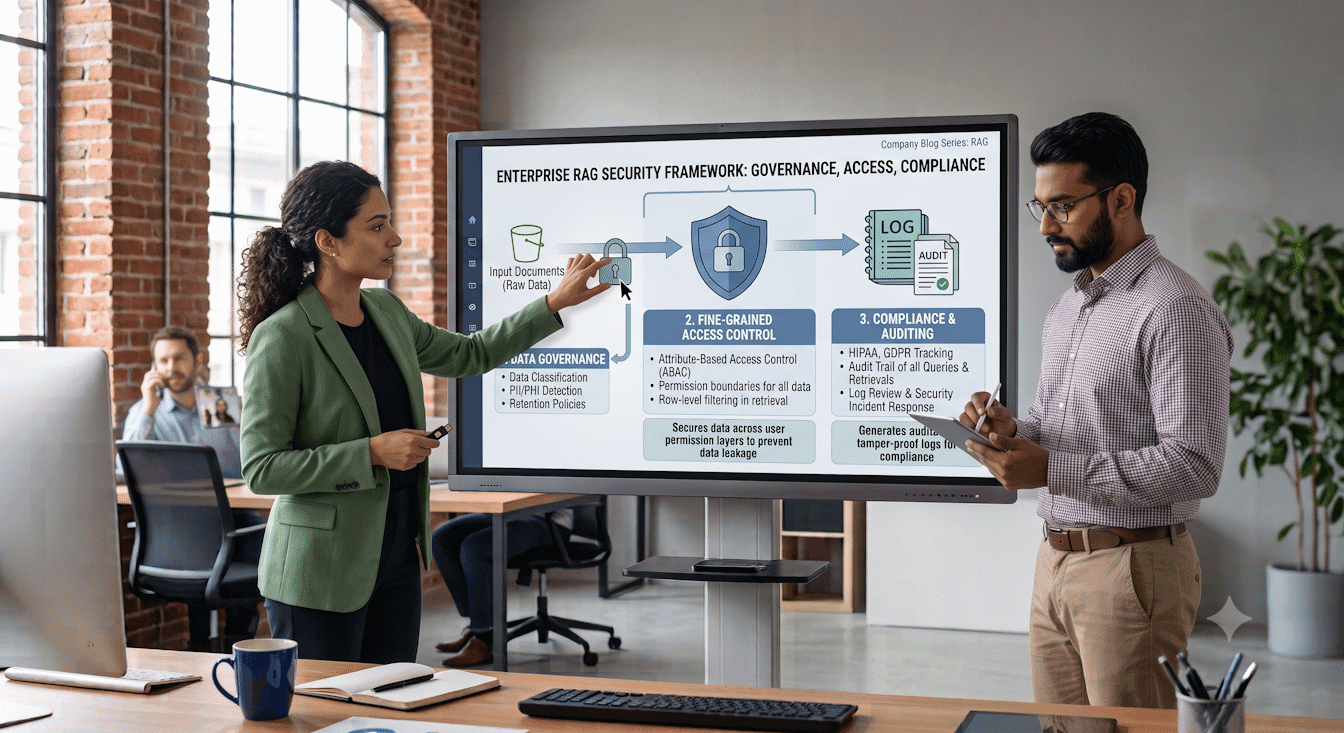
Enterprise RAG Security: Data Governance, Access Control, and Compliance
Connecting a model to your documents creates attack surfaces generic LLM security misses: retrieval that can leak data across permission boundaries, documents that can carry prompt injection into the model, and answers that have to be auditable for a regulator. Here's the security model — permission-aware retrieval, injection defenses, residency, and audit logging — built for regulated enterprises.
Read the article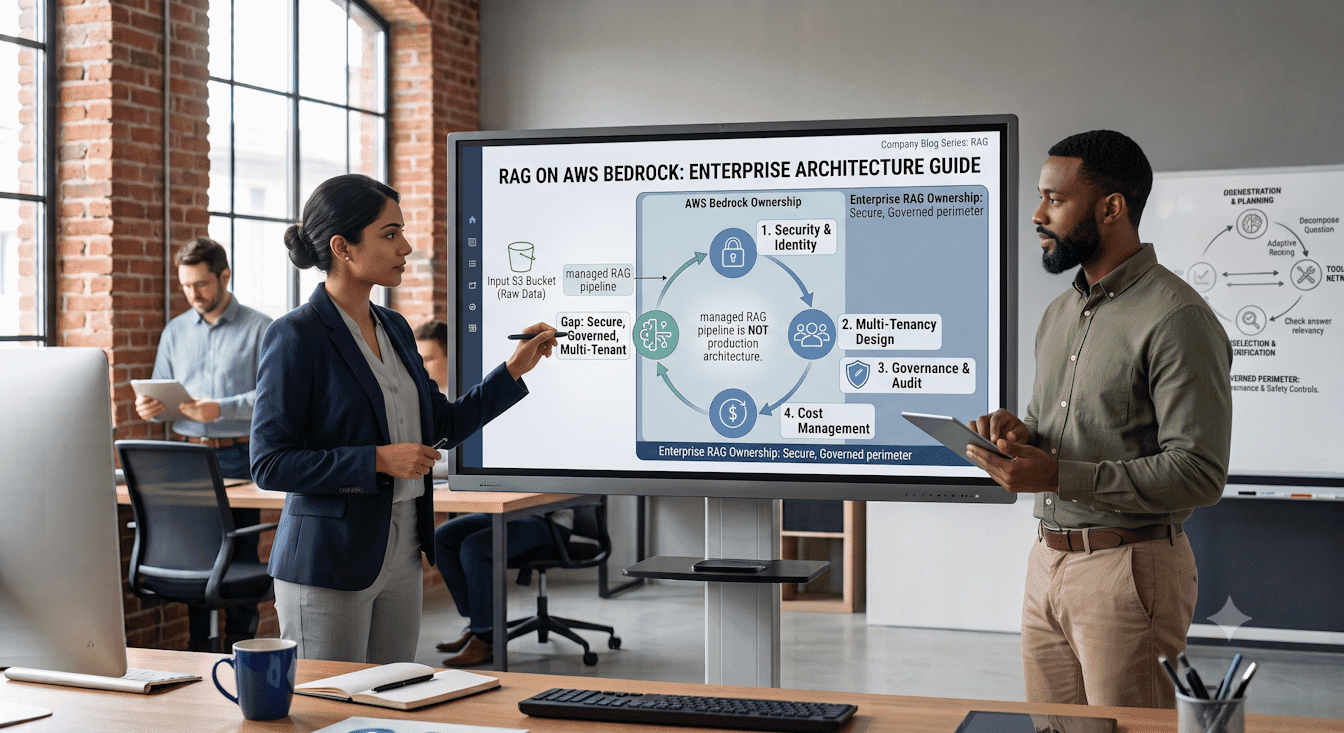
RAG on AWS Bedrock: Architecture Guide for Enterprise Teams
Bedrock Knowledge Bases manages chunking, embedding, vector storage, and retrieval for you — but not the connectors, multi-tenant IAM, model routing, and cost governance that separate a demo from production. Here are the four architecture calls that make Bedrock RAG enterprise-grade.
Read the article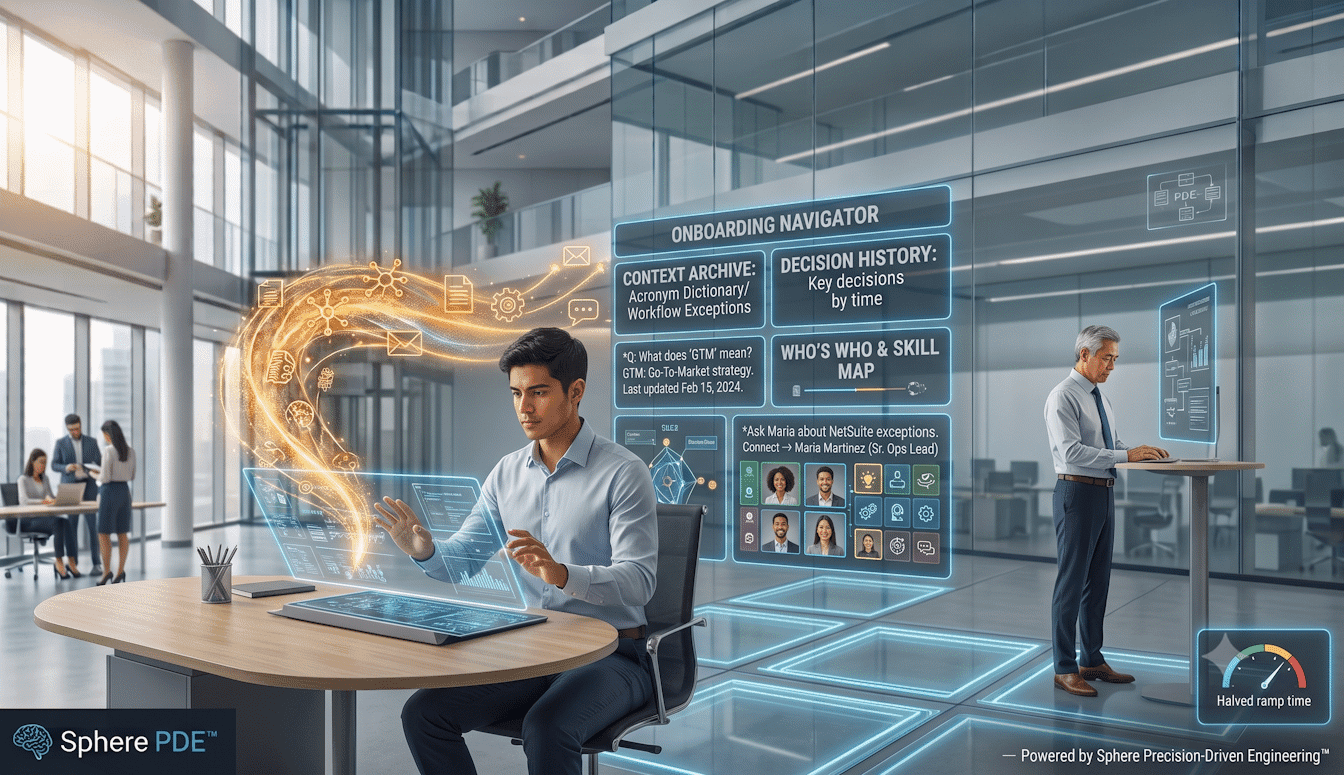
Company Brain for Onboarding: How AI Cuts New Hire Ramp Time by Half
New hires do not just need training content. They need the context behind the content — the acronyms, the workflow exceptions, the customer history, and the unwritten rules about who-to-ask-for-what. A Company Brain shortens both the new hire's ramp time and the senior employees' interruption tax at once.
Read the article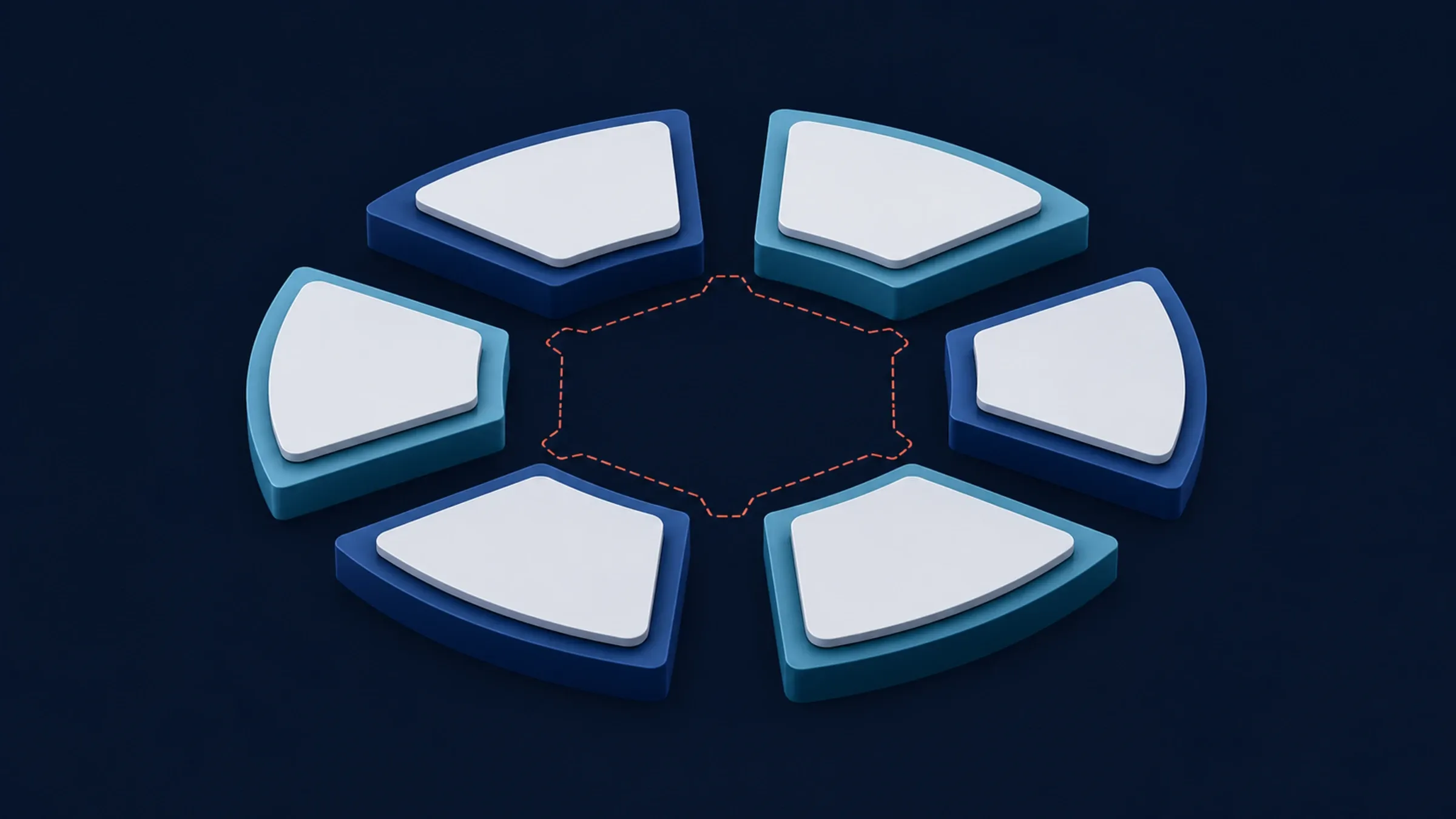
The AI Silo Trap: Why Giving Everyone a Different LLM Subscription Is Making Your Company Worse at AI
Your org chart probably has more AI licenses than AI strategy. Here's the bill coming due.
Read the article
Wiring Claude Directly Into NetSuite for Analytics? Here's the Expensive Mistake Hiding in That Shortcut
A few hard-won lessons from sitting in rooms with CFOs and controllers who tried the fast way first.
Read the article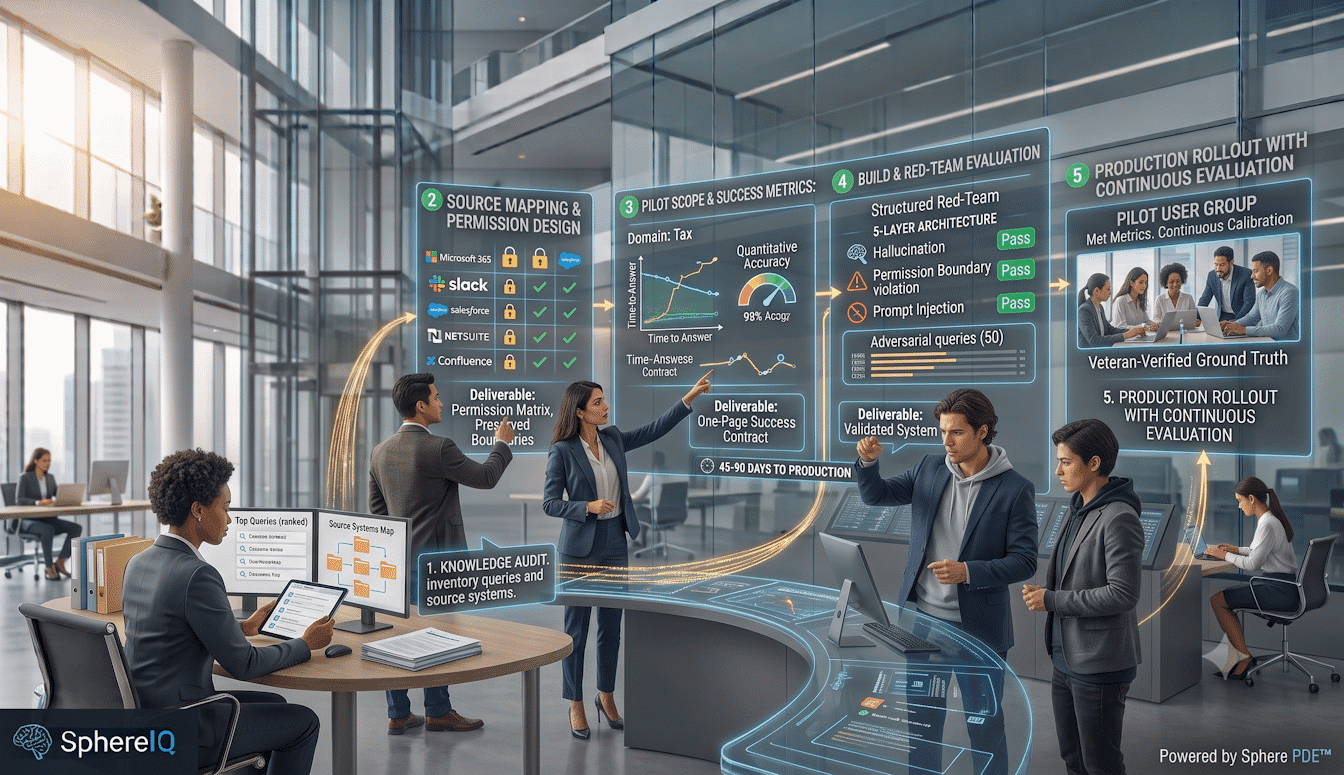
How to Build a Company Brain: A Step-by-Step Guide for Enterprise Leaders
Leaders do not need to rip out their existing systems to build a Company Brain. A focused knowledge audit, a source-system map, a defensible permission model, agreed success metrics, and a scoped rollout plan — and a production-grade deployment reaches employees in 45 to 90 days through Sphere's PDE™ delivery model.
Read the article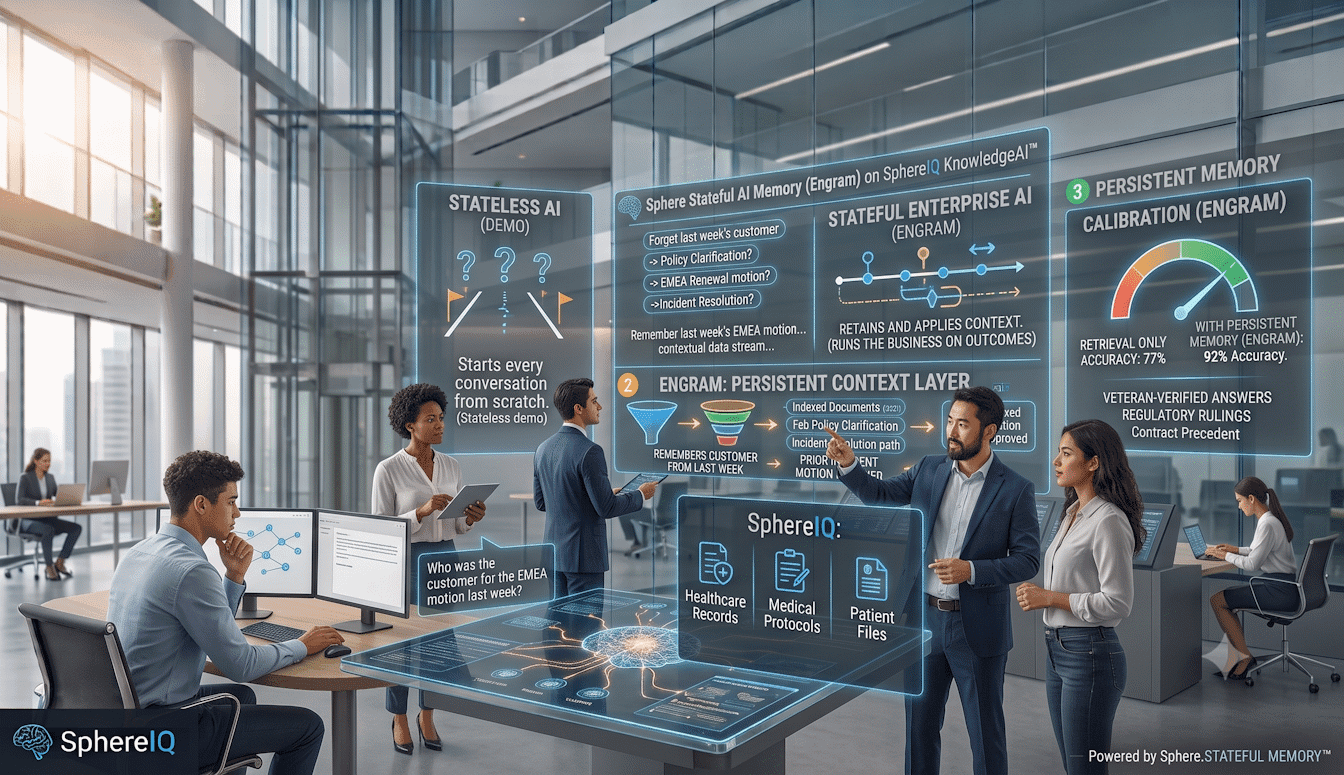
Persistent AI Memory for Enterprise: Why Your AI Needs to Remember
Consumer AI answers a prompt. Enterprise AI has to remember — the company's documents, decisions, customers, processes, and history, across users, sessions, and time. Persistent memory is the layer that closes the gap between an interesting demo and a system the business can actually run on.
Read the article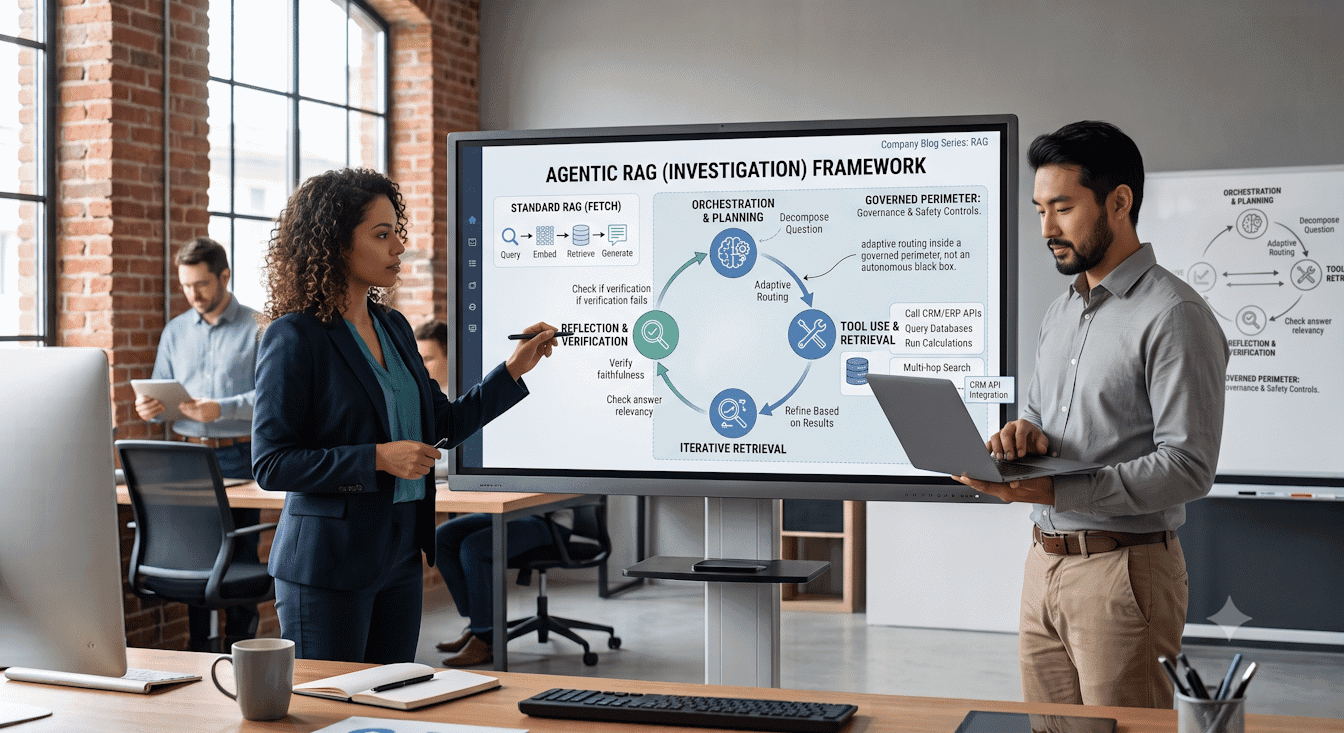
Agentic RAG: When Standard Retrieval Isn't Enough
Agentic RAG adds planning, tool use, and multi-hop retrieval to the retrieve-then-generate loop — at real cost in latency, money, and governance. Here's what makes it genuinely different from standard RAG, when the premium is justified, and how to deploy it safely inside a governed enterprise perimeter.
Read the article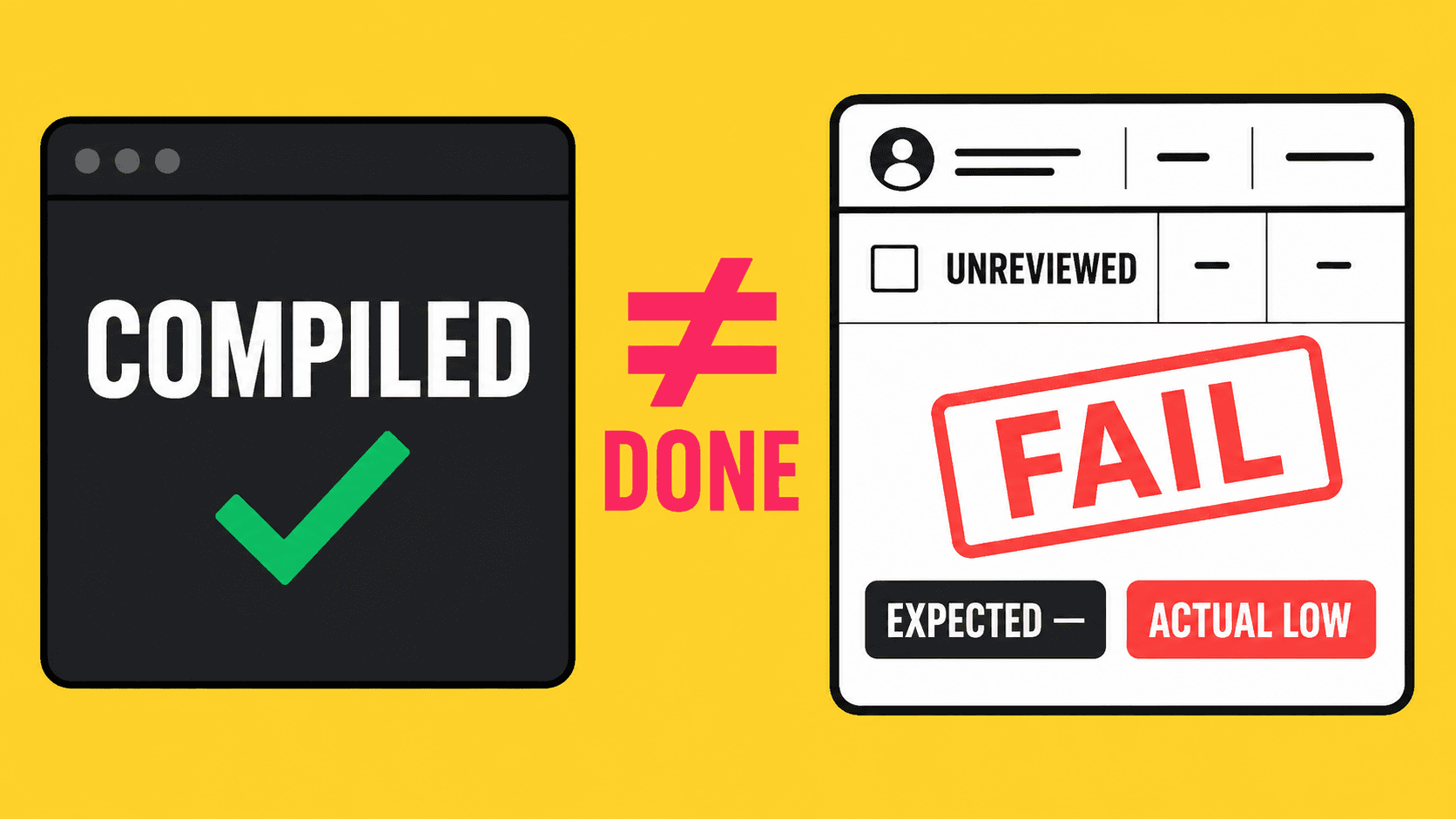
Compiled Is Not Done.
The most dangerous word in autonomous software is “done.” A system that rewards activity ships nothing that works.
Read the article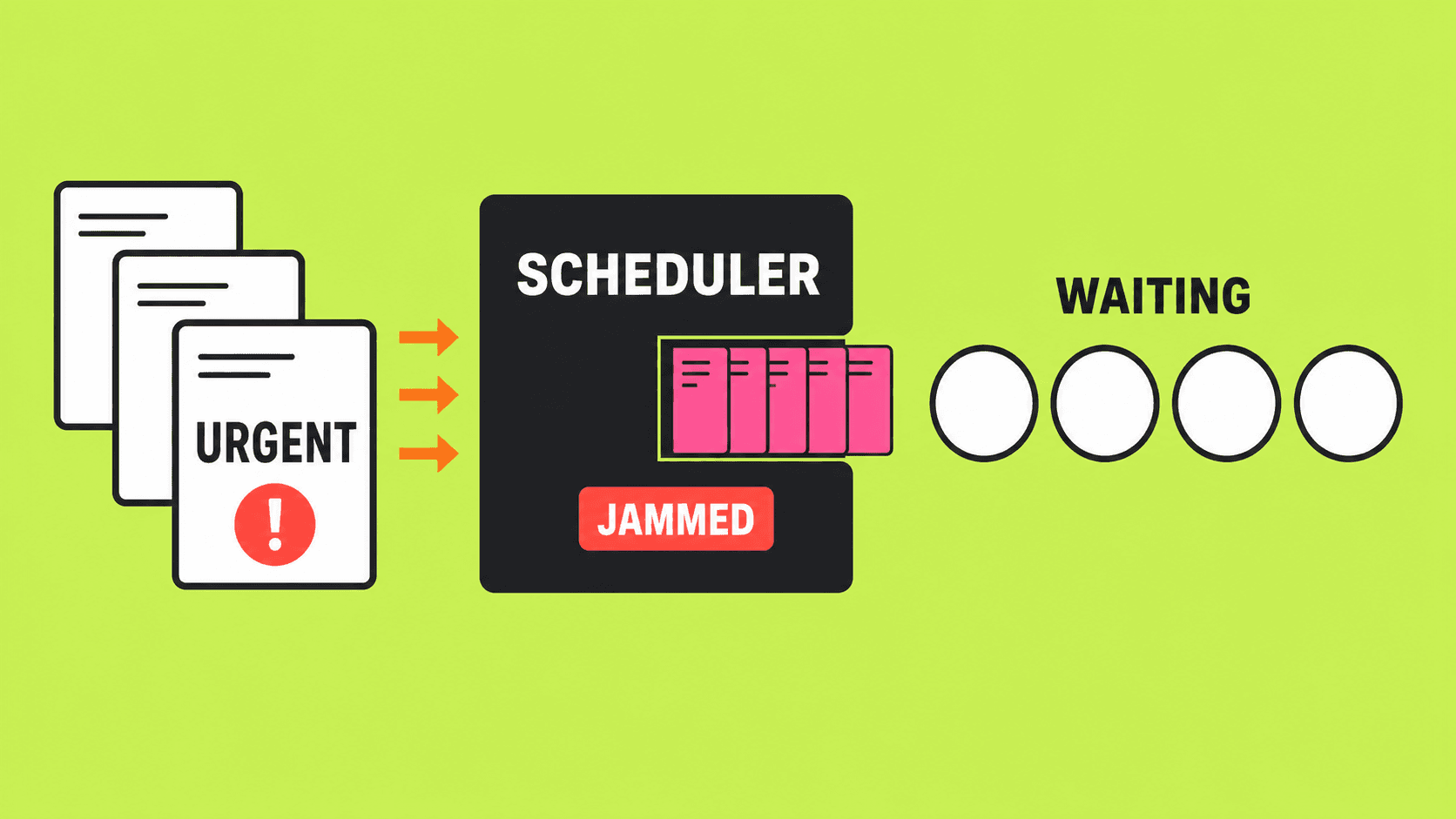
Nobody Assigned This Work.
No sprint board. No manager. The work runs hot where it matters and cools where it doesn't — and the workers follow the heat.
Read the article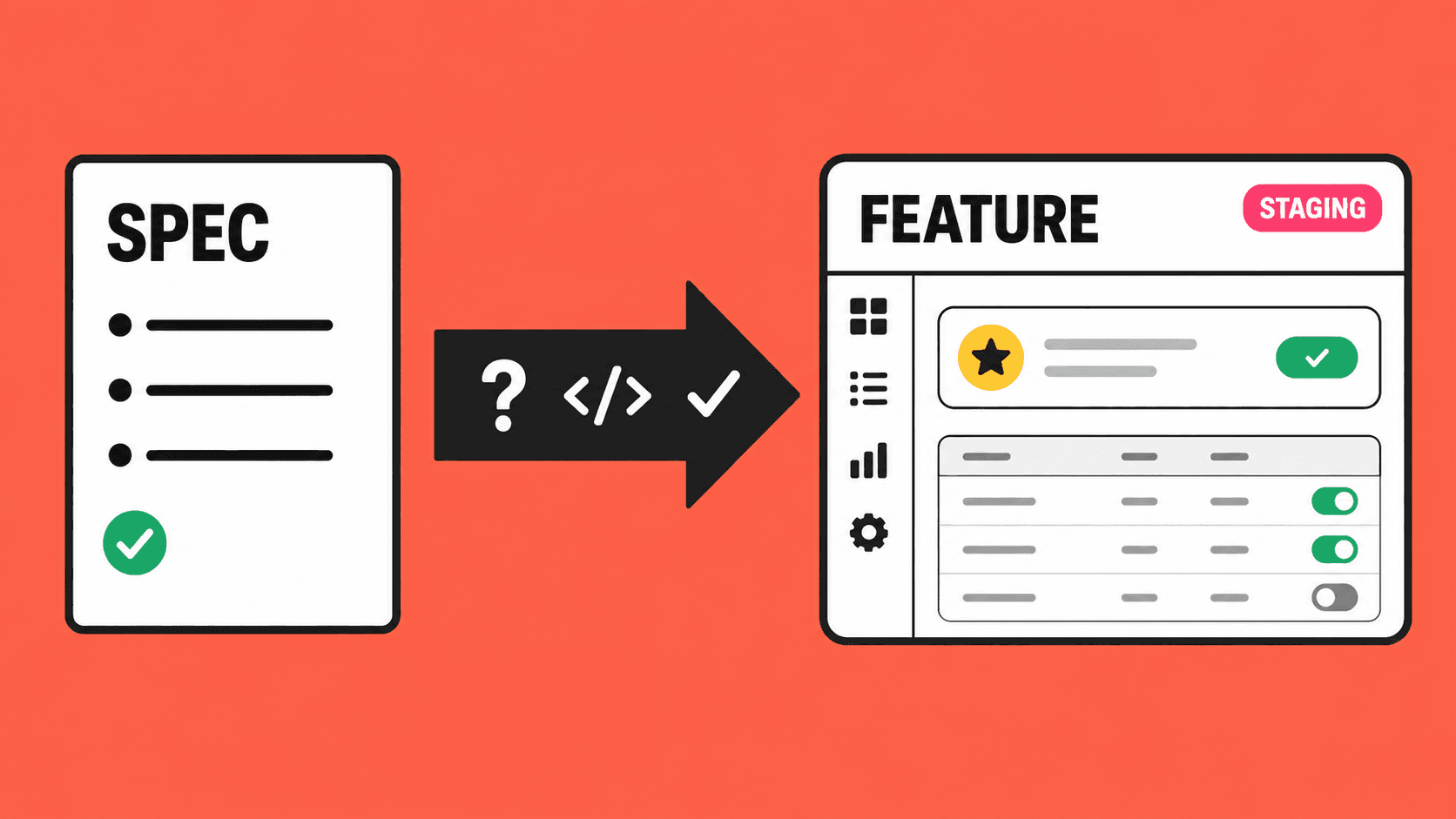
Drop a Spec. Ship a Feature.
The backlog used to be a queue of work waiting for engineers. Now it’s a queue of specifications waiting for a signature.
Read the article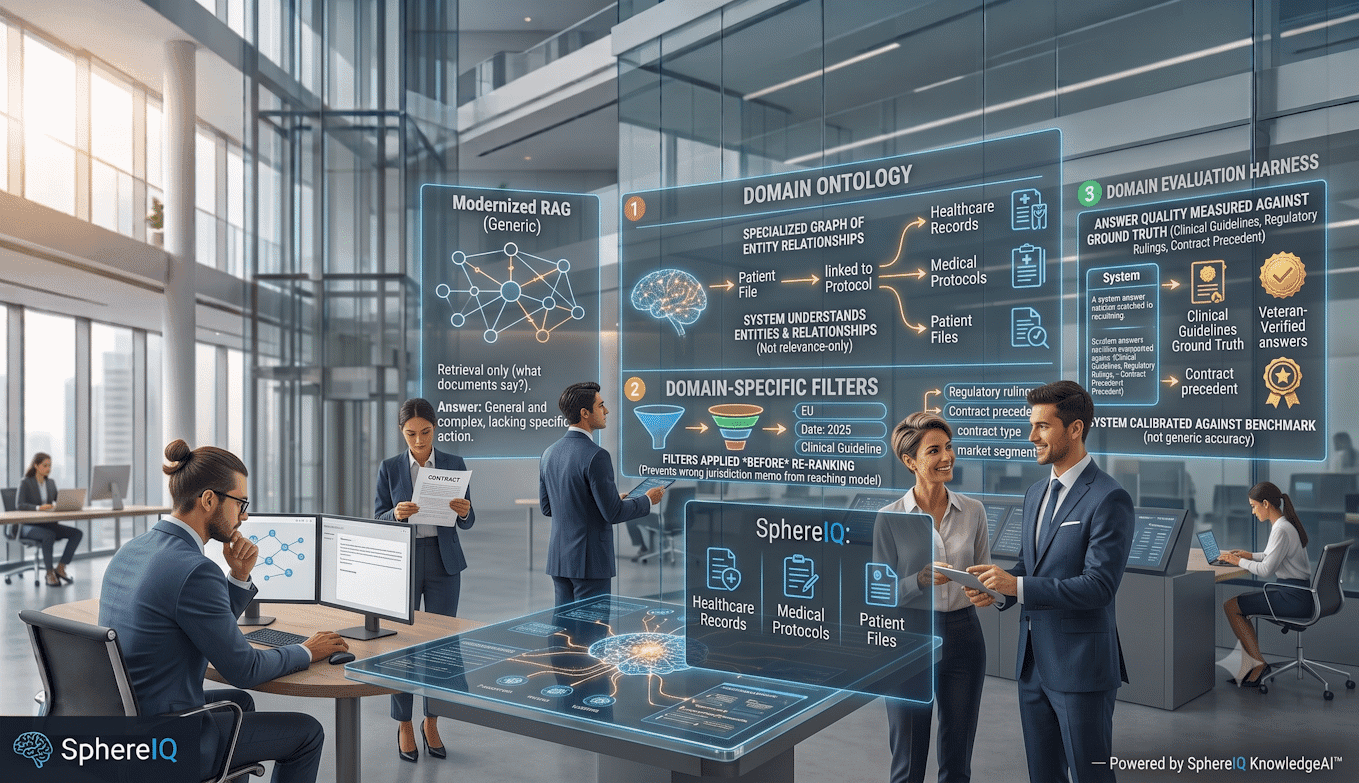
Domain Intelligence Engine: The Next Evolution Beyond Knowledge Management
Retrieval alone is not enough in domains where the right answer depends on jurisdiction, precedent, or expert judgment. A Domain Intelligence Engine answers not just what documents say, but what the right action is given the domain context — the architecture Sphere reaches for when accuracy, traceability, and domain reasoning are the operating constraints.
Read the article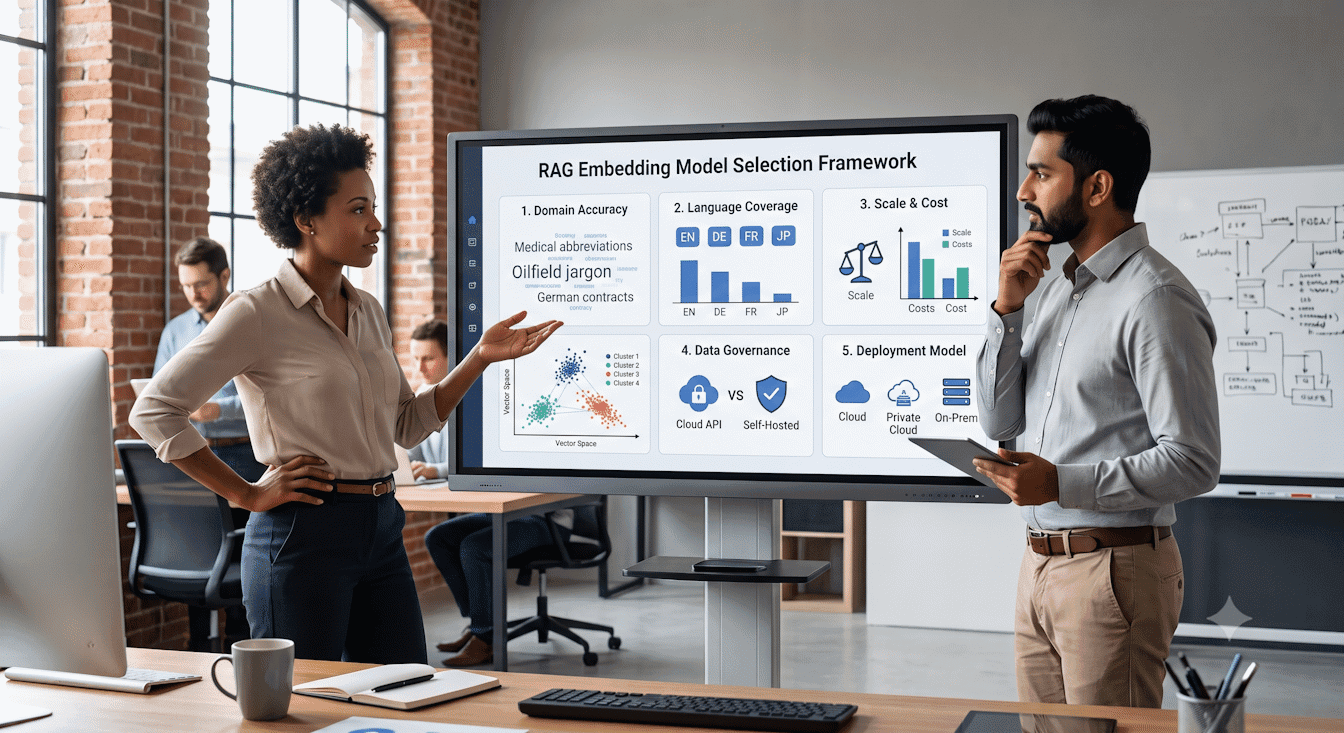
RAG Embedding Models: Choosing the Right One for Enterprise Data
The embedding model is the quietest decision in a RAG build — and one of the most consequential. Here's how to choose across five axes: domain quality, language coverage, cost at scale, governance, and deployment model.
Read the article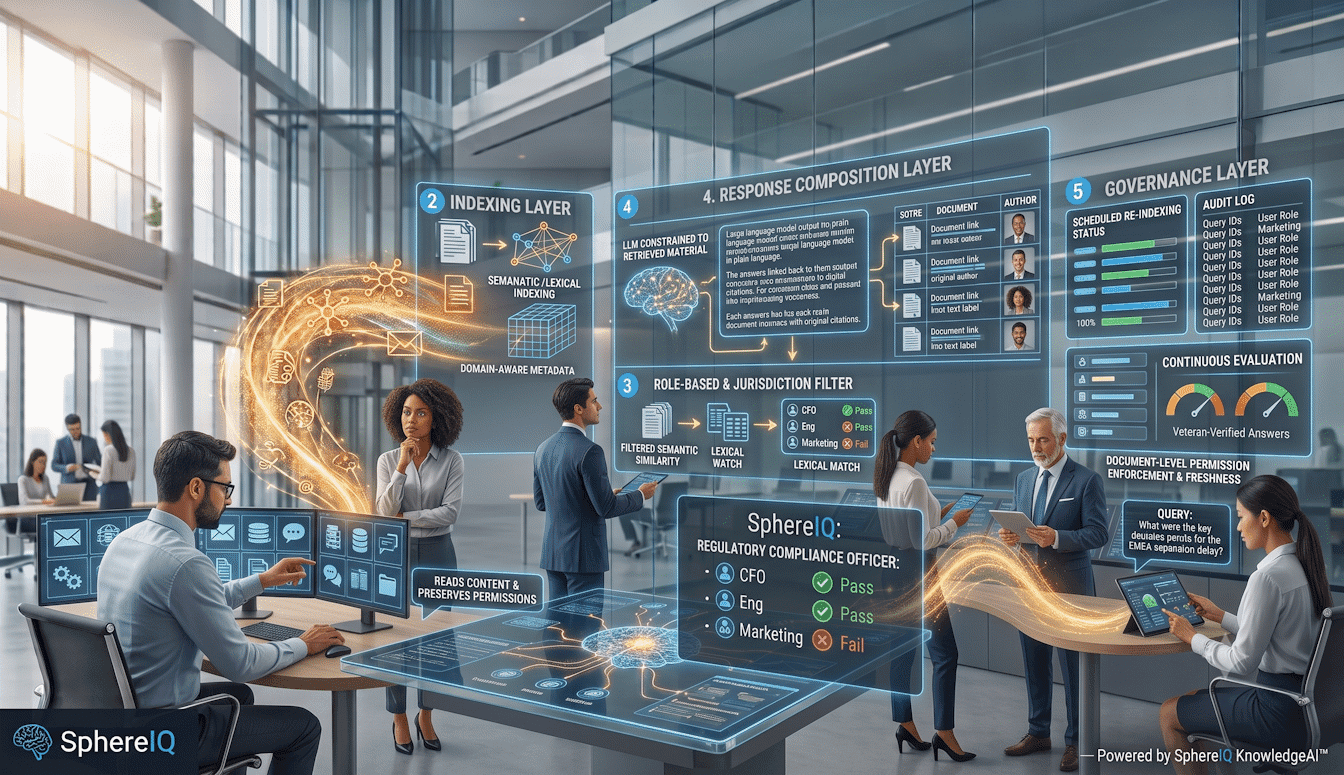
How a Company Brain Works: The Technology Behind Organizational AI Memory
A Company Brain connects to the systems where institutional knowledge already lives, indexes that knowledge by meaning rather than by filename, and returns sourced answers with the company's permission boundaries intact. The architecture is the same five-layer pattern Sphere has shipped into production — this article walks through each layer with the operating evidence attached.
Read the article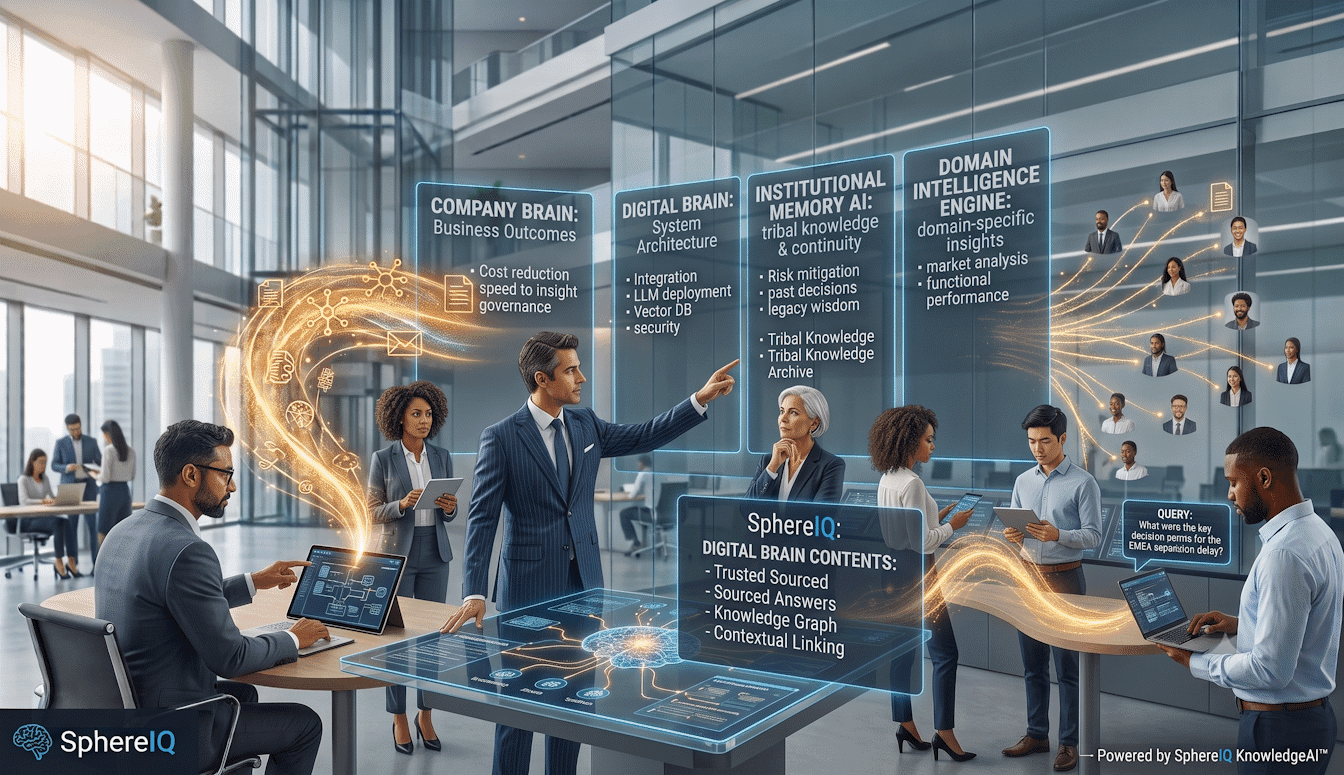
Company Brain vs. Digital Brain vs. Institutional Memory AI: What's the Difference?
Different buyers use different vocabulary for the same enterprise need: making the company's accumulated knowledge usable, governed, and addressable. Company Brain. Digital Brain. Institutional Memory AI. Enterprise RAG. Domain Intelligence Engine. The labels reflect the role of the person doing the searching more than they reflect any underlying architectural difference.
Read the article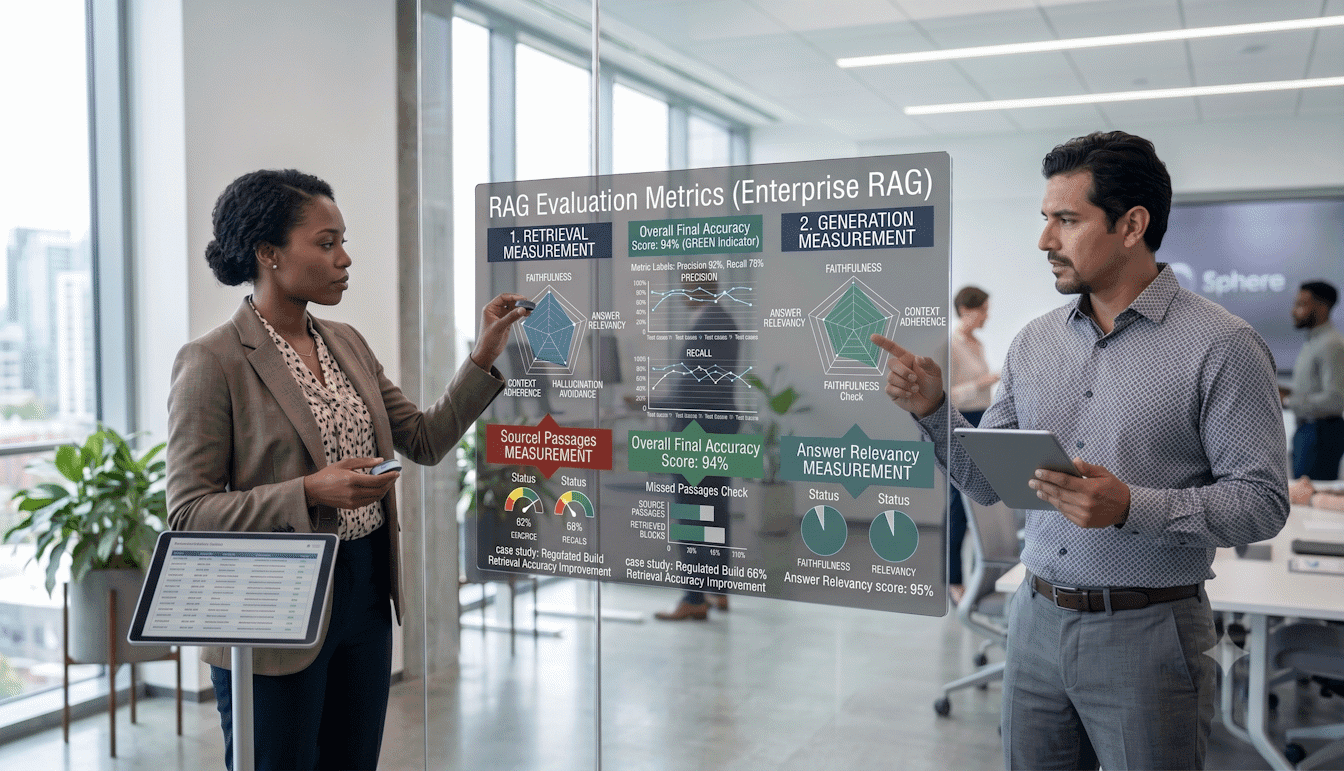
RAG Evaluation: How to Measure Accuracy Before Going to Production
Most enterprise RAG projects are evaluated on vibes. Four metrics split by layer — context precision, context recall, faithfulness, answer relevance — turn accuracy from an opinion into a number you can track, defend, and improve before and after production.
Read the article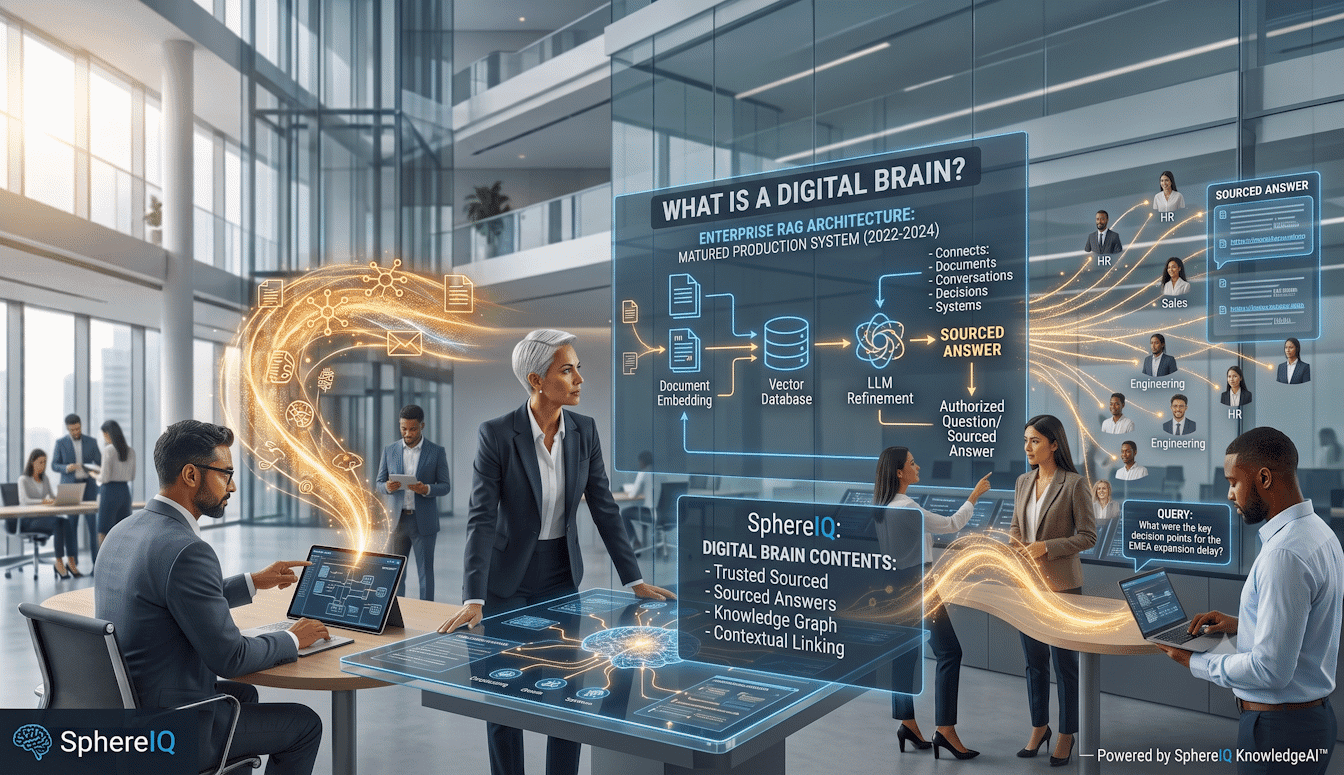
What Is a Digital Brain? The Complete Guide for Business Leaders
A digital brain for business is an AI-powered enterprise knowledge layer that connects a company's documents, conversations, decisions, and systems so any authorized employee can ask a question and receive a sourced answer. It is the executive-language name for what engineering teams call enterprise retrieval-augmented generation (RAG) — an architecture pattern that has matured from a research demo into a production system that operates inside regulated enterprises.
Read the article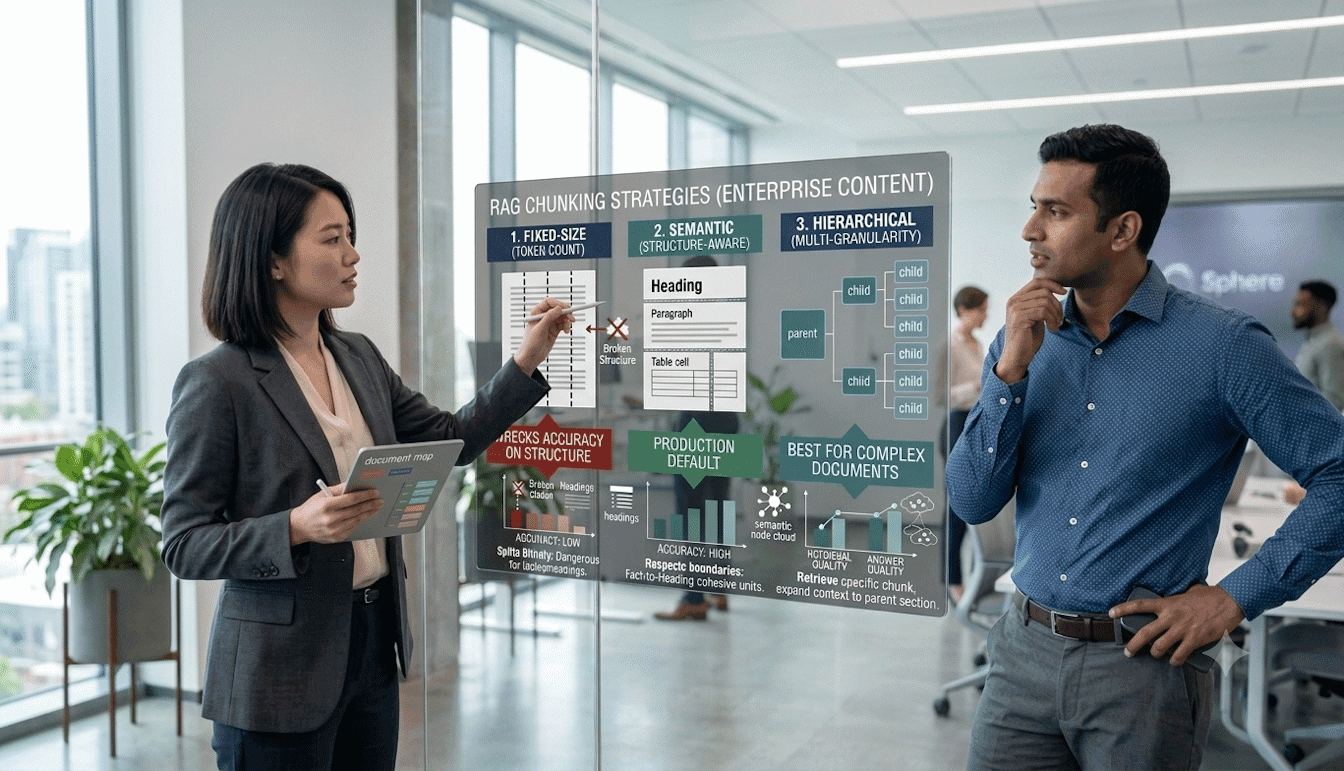
RAG Chunking Strategies: How to Split Documents Without Destroying Context
The least glamorous decision in RAG is the one that quietly determines retrieval quality: how you split documents. Fixed-size chunking cuts blind through structure. Semantic and hierarchical chunking preserve context — and chunk metadata is what makes citations, permissions, and filtering possible.
Read the article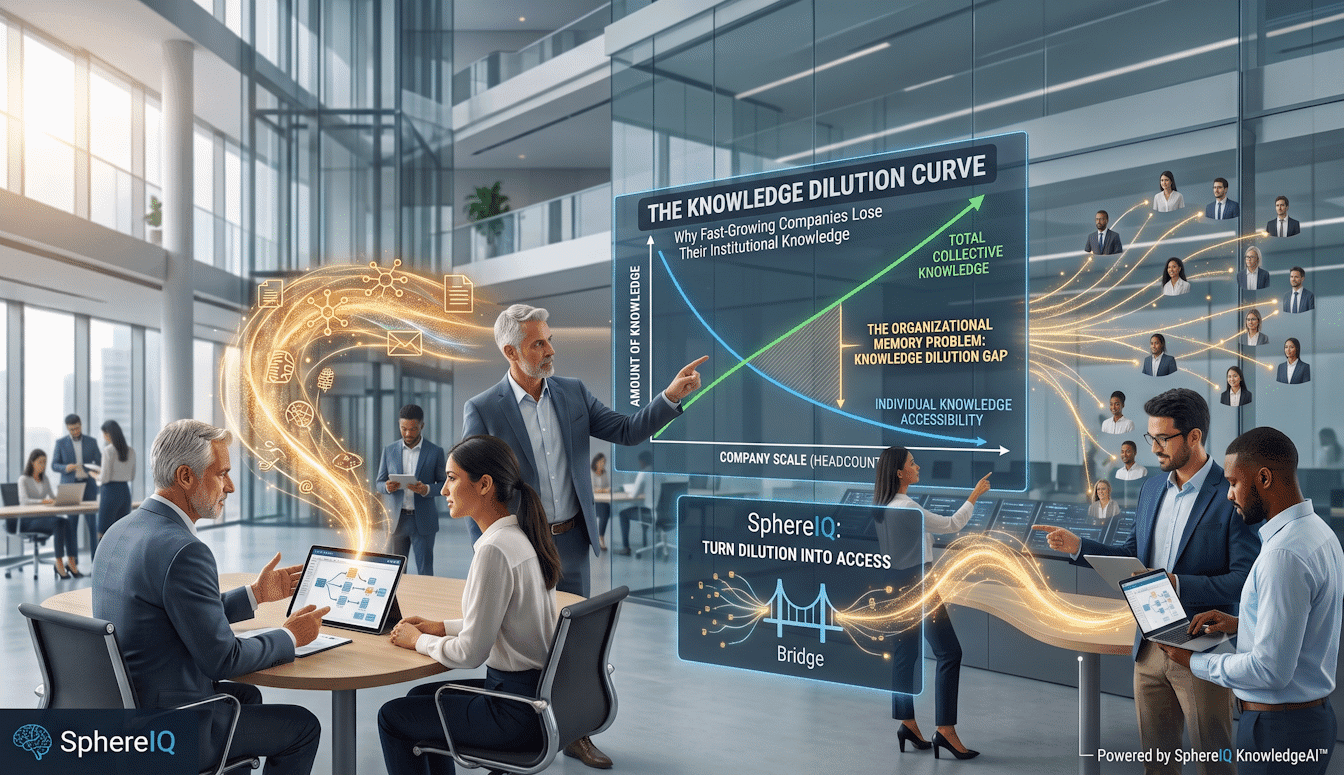
The Organizational Memory Problem: Why Fast-Growing Companies Lose Their Institutional Knowledge
As an enterprise scales, the total amount it knows rises with headcount — but the share any one person can access falls. This article introduces the Knowledge Dilution Curve, names the four inflection points that concentrate knowledge risk, and explains how a Company Brain closes the gap before it becomes an operating problem.
Read the article
Hybrid Search in Enterprise RAG: Why Vector-Only Is Leaving Accuracy on the Table
Vector-only retrieval quietly fails on the exact-match queries enterprise users depend on. Hybrid search — BM25 + vector retrieval fused with reciprocal-rank fusion and a reranking step — is the production baseline that makes enterprise RAG reliable.
Read the article
OpenClaw Alternatives: The Enterprise Evaluation Guide (2026)
Thirteen alternatives, compared the way a CISO would compare them — by blast radius, credential handling, and operational burden. Not by feature count.
Read the article
Vector Databases for Enterprise: Pinecone vs. Weaviate vs. OpenSearch (2026 Comparison)
An operating-model comparison of the four vector databases enterprise RAG teams actually weigh — Pinecone, Weaviate, OpenSearch, and pgvector — with a clean decision framework for matching the right choice to your risk profile.
Read the article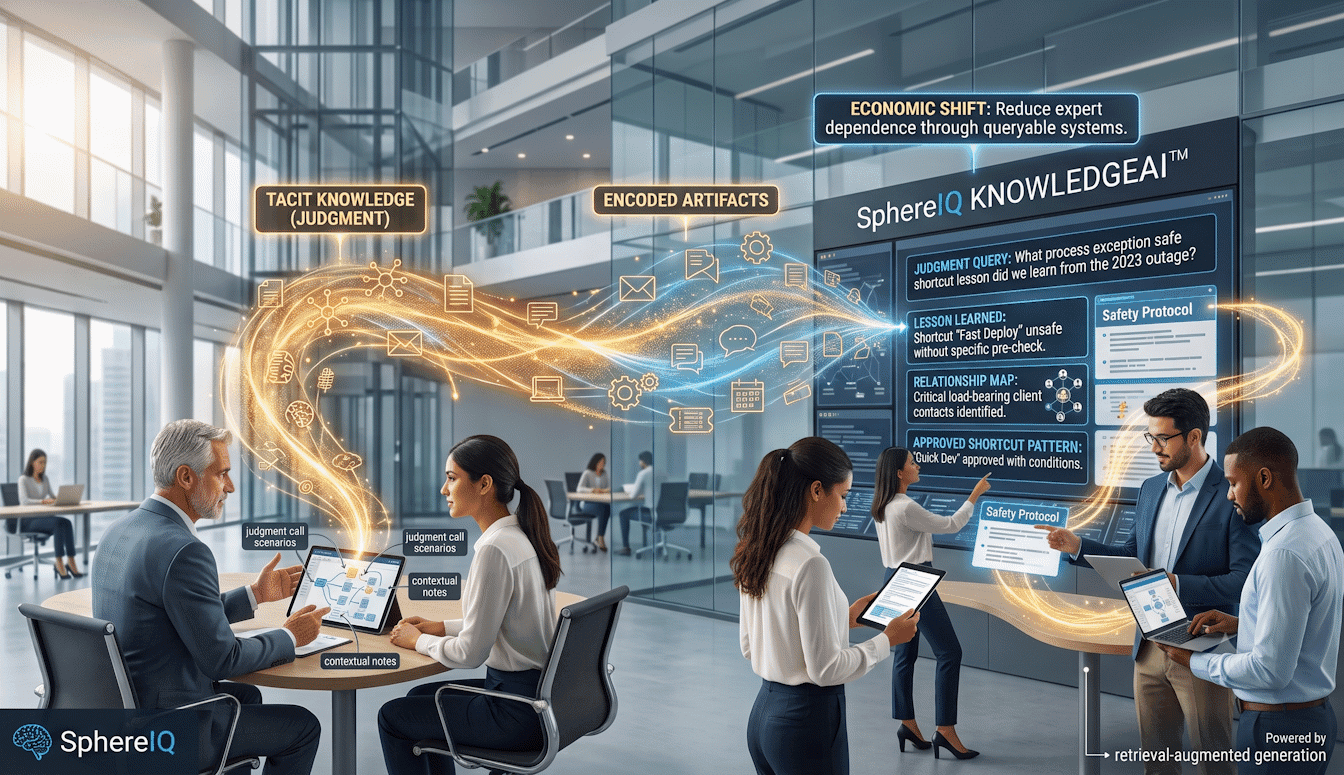
Tacit Knowledge Management: The AI Approach to Capturing What Can't Be Written Down
AI cannot capture tacit knowledge directly. It can retrieve the artifacts in which expert judgment has already been encoded. Why documentation brain dumps fail at scale, and how three companies used SphereIQ KnowledgeAI™ to make institutional knowledge retrievable before it walked out the door.
Read the article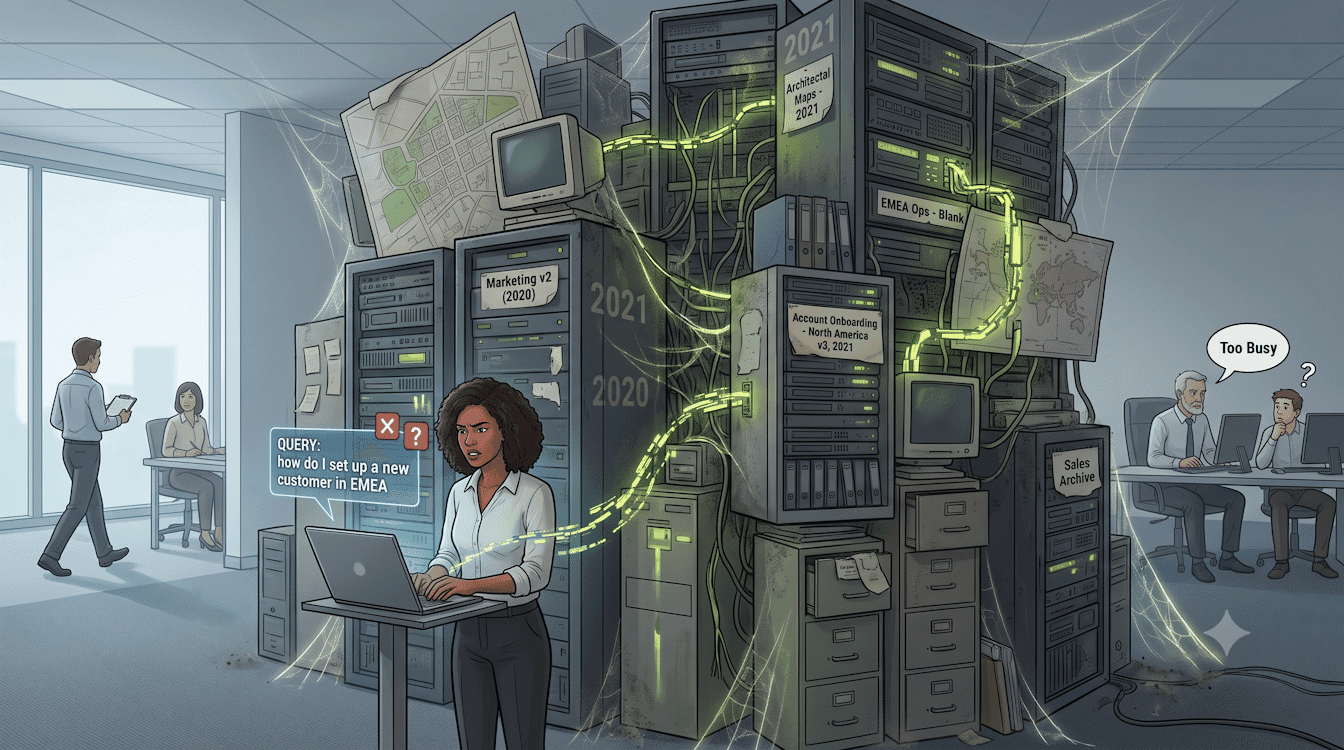
Why Enterprise Wikis, Intranets, and SharePoint Fail to Preserve Institutional Knowledge
Most enterprises already own a wiki or SharePoint — and employees still walk to a colleague's desk. Why documentation theater happens, what distinguishes a true AI-native knowledge layer, and why connecting existing systems beats replacing them.
Read the article
What Is Institutional Memory? A Business Leader's Guide
Institutional memory is the layer between your company's data and its decisions. This guide defines it, separates explicit, tacit, and embedded knowledge, explains why it determines enterprise performance, and shows how AI turns it into a queryable operating asset.
Read the article
The Hidden Cost of Institutional Memory Loss: What Happens When Your Best People Leave
Severance, recruiting, and ramp-time are the visible costs of a senior departure — and a fraction of the real number. Where the hidden costs sit, how to measure knowledge departure risk, and how AI captures institutional memory before it walks out.
Read the article
Enterprise RAG Implementation: The 8-Phase Deployment Playbook
An 8-phase project playbook for enterprise RAG — from use-case scoping and data audit through security review and production monitoring — based on Sphere's AI Foundry delivery path.
Read the article
RAG vs. Fine-Tuning: The Enterprise Decision Framework (2026)
An 8-criteria decision framework for choosing between RAG and fine-tuning for enterprise AI — with a real financial-services call-through.
Read the article
Enterprise RAG Architecture: The 6-Layer Framework That Actually Scales
Six architectural layers that enterprise RAG production systems actually need — plus the orchestration, memory, and governance concerns that turn a demo into something you can put in front of regulated users.
Read the article
How to Evaluate AI Agents in 2026
What I've learned watching teams ship agents this year – and why most eval guides are quietly solving a 2023 problem.
Read the article
Best Document Intelligence AI Platforms 2026: Sphere vs ABBYY, UiPath, Hyperscience, Google, and Microsoft
Six document intelligence platforms scored across 12 enterprise criteria. ABBYY, UiPath, Hyperscience, Google, and Azure each lead on a strength; Sphere scores highest overall (4.76/5) by pairing extraction with search, audit, and a managed-or-deployable model.
Read the article
Agentic RAG vs Traditional RAG vs ChatGPT
A cost-honest comparison of three AI approaches enterprises keep confusing in 2026 — with the latency, accuracy, and shadow-AI numbers that most analyses leave out.
Read the article
The 12 Best Enterprise RAG Platforms and Tools in 2026
A compliance-first comparison of the platforms enterprises actually evaluate in 2026 — scored on retrieval quality, deployment flexibility, sovereignty, and EU AI Act readiness with three months to enforcement.
Read the article
AI Audit Logs as Compliance Evidence: What to Capture, Retain, and Present to Regulators
Most AI platforms log conversations. Regulators need something different: a record of every governance control action the platform took. EU AI Act Article 12 mandates a minimum 6-month retention period for high-risk AI system logs. Here is what that log must contain and how to use it when inspectors ask questions.
Read the article
Building an AI System Registry That Actually Satisfies Regulators
The EU AI Act requires a live, auditable AI system registry — not a spreadsheet last updated in January. Here is what a compliant registry must contain, how to surface the AI systems you do not know you are using, and how to produce the regulator-ready export on demand.
Read the article
Multi-Model Enterprise AI: Why Model Flexibility Is a Governance Requirement, Not a Feature
Locking enterprise AI to a single vendor's model is not a commercial preference — it is a governance failure. Commercial risk, data residency constraints, model quality evolution, and regulatory exposure all require the ability to switch or add models without rebuilding your compliance layer.
Read the article
How to Choose an Enterprise AI Platform: 8 Questions Every Compliance and IT Leader Must Ask
Enterprise AI vendor evaluations are dominated by model benchmarks and UI quality. The questions that actually determine whether a platform is deployable in a regulated organisation concern governance architecture, security depth, compliance tooling, and audit capability — criteria most platforms fail before the demo ends.
Read the article
The Context Tax: How Enterprise AI Costs You 50 Hours Per Employee Per Year
Your employees spend 12 minutes every day re-establishing context with their AI. That is 50 hours per person per year — more than a full working week — of pure overhead that generates zero new output. Persistent memory eliminates it entirely.
Read the article
AI in Financial Services: What FINRA, MiFID II, DORA, and the EU AI Act Require
Financial services organisations face more AI-specific regulation than any other sector. Seven frameworks, applied simultaneously, to the same employees on the same platform. Here is what each requires, where they overlap, and how to enforce all of them without a separate compliance programme for each one.
Read the article
Enterprise AI Cost Control: Token Budgets, Per-Team Limits, and Real-Time Budget Alerts
Giving 250 employees unrestricted access to frontier AI models without cost controls is how you generate a $40,000 monthly API bill in week three. Here is how enterprise AI cost governance actually works — and why model choice alone creates a 25× cost variance per query.
Read the article
AI Governance vs AI Compliance: The Difference That Determines Your Risk
Compliance documents what you did. Governance controls what happens. Building one without the other leaves you with paperwork that cannot prevent the problem it describes — and a regulator who will use that paperwork against you.
Read the article
CSRD AI Emissions Reporting: A Practical Step-by-Step Guide for Sustainability Teams
You need to report the carbon footprint of your organisation's AI usage under ESRS E1. Your AI vendors provide none of the data. Here is exactly how to gather it, calculate it, and produce an auditable disclosure — with or without automated tracking.
Read the article
Engram: How Persistent AI Memory Turns Every Interaction Into Organisational Intelligence
Enterprise AI is stateless by design — each session starts from zero regardless of how long the platform has been running. Engram fixes this with 9 memory types, 4 maturity stages, and self-organising gravity wells that accumulate institutional knowledge permanently.
Read the article
Enterprise AI Content Policies: Why Per-Team Governance Outperforms Platform-Wide Controls
A FINRA-compliant AI policy that protects your trading desk will break your engineering team's workflow. Precision governance — applied per team, per regulation — delivers both compliance and adoption. Here is how it works.
Read the article
EU AI Act Risk Classification: A Step-by-Step Guide for Compliance Teams
How to classify every AI system your organisation uses across all five risk levels — the questions to ask, the eight Annex III domains that determine High-Risk status, fine thresholds at each tier, and what each classification requires you to do next.
Read the article
How RAG Works in Enterprise AI — And Why Your Knowledge Base Architecture Determines Answer Quality
Enterprise AI vendors describe their knowledge base feature as "your AI trained on your documents." It is not. The accuracy of every answer depends on five architectural decisions about chunking, embedding, retrieval, and generation — most of them invisible to users.
Read the article
Why Enterprise AI Gets Your Company-Specific Questions Wrong
GPT-4o and Claude are trained on essentially all of human knowledge. On questions about your own organisation, they will fail the majority of the time. The problem is not the model. The problem is context — and there are two ways to provide it.
Read the article
Prompt Injection and the 6 Threat Categories Targeting Enterprise AI Platforms
Prompt injection is ranked the number one risk in OWASP's LLM Top 10. Adaptive attacks succeed against unprotected systems at rates exceeding 85%. The attack surface is unlike anything in conventional security — and bypasses every control applied inside the language model itself.
Read the article
CSRD and AI Carbon Emissions: What 50,000 EU Enterprises Are Required to Report
The Corporate Sustainability Reporting Directive requires disclosure of AI carbon emissions under ESRS E1. Ten of thirteen major AI vendors provide zero environmental data to customers. Here is what the regulation requires and how to build the numbers without vendor cooperation.
Read the article
Shadow AI: The Enterprise Governance Gap That Regulators Are Coming For
Seventy percent of enterprise AI now operates outside IT oversight. Under the EU AI Act, an incomplete AI system inventory is a compliance violation — regardless of whether you knew the tools existed.
Read the article
EU AI Act: What Every Enterprise Must Do Before August 2026
Full enforcement begins on 2 August 2026. Here is what the regulation actually requires, what fines apply at each level, and the concrete steps your organisation must complete before the deadline — with less than three months remaining.
Read the article
100 OpenClaw Use Cases You Can Try Today
Most people still use AI as a chat window. Ask something, get something back, move on. That works for isolated tasks. It doesn’t do much for the work that keeps returning every day. OpenClaw works differently. It runs persistently, connects to the tools you already use, and handles ongoing workflows across inbox, calendar, files, code, research, CRM, and content. That changes the role of AI from assistant to operating layer. This article walks through 100 practical OpenClaw use cases across personal productivity, business operations, development, and creative work. Some save a few minutes a day. Some remove recurring admin entirely. Some create systems that keep compounding once they are in place. The right way to read it is simple: find the one use case that would improve your week immediately, get it working well, and build from there.
Read the article
The Complete OpenClaw Setup & Installation Guide
Step-by-step OpenClaw installation guide for macOS, Linux, Windows (WSL2), and Docker — plus prerequisites, common errors, and Sphere's production setup notes.
Read the article
Staff Augmentation Evolved: Three Strategic Models to Navigate the AI Era and Market Uncertainty
Read the article
Underwriting Automation with AWS Bedrock: Why Deterministic Control Beats Autonomous AI
Read the article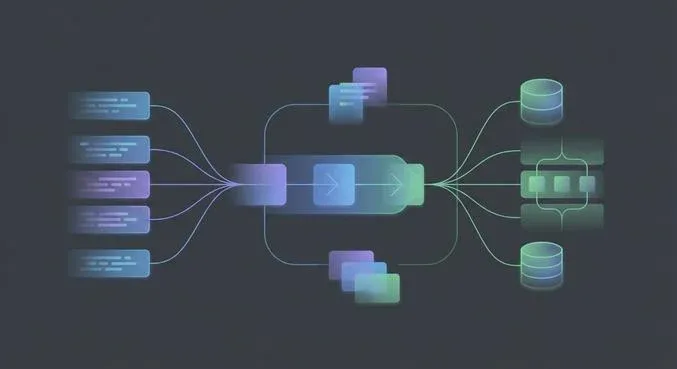
Building a Payment Reconciliation Agent on AWS: Architecture Walkthrough
Read the article
The Rise of Physical AI: What Actually Works and What You Need to Know
Physical Intelligence raised $600 million at a $5.6 billion valuation for software that acts as a universal brain for robots. The hype is real, but so is the gap between lab demos and production reality. We break down what actually works in Physical AI today, the three hard problems nobody's solving yet, and why investors are betting billions on robot brains instead of robot bodies.
Read the article
LLM Observability: Jagged AI, Real Economics, and the Work of Making It Real
LLMs aren’t “bad” or “overhyped” – they’re jagged: impressive on benchmarks, brittle in real workflows. This article explains why that gap shows up as real cost in production, and why LLM observability is the foundation for turning capability into predictable throughput. You’ll see how observability, evaluation-driven development, guardrails, RAG, and agentic checkpoints work together to make GenAI reliable, governable, and worth scaling.
Read the article
AI Memory vs. Context Understanding: The Next Frontier for Enterprise AI
Most enterprise AI failures in 2025 had nothing to do with model quality. They failed because the systems didn’t understand context — who the user was, what problem they were solving, and how information related across departments and data silos. Adding more “memory” didn’t fix it. Persistent chat logs and vector databases only stored facts; they didn’t create meaning. The next generation of enterprise AI must treat context as a living system: continuously curated, governed, and shared across every model and agent in the organization. When context becomes a core design principle, AI stops guessing and starts reasoning. It stops recalling text and starts connecting knowledge. That’s when ROI appears — not from bigger models, but from smarter architectures that integrate data, identity, and governance into every answer.
Read the article
Predictive Maintenance in Manufacturing: IoT Data to AI-Driven Cost Savings
Predictive maintenance is no longer a theory — it’s how modern manufacturers are keeping production lines running. By combining IoT sensor data with AI analytics, companies can predict equipment failures before they happen, cutting unplanned downtime by up to 50% and reducing maintenance costs by a quarter. In this article, Sphere explains how to move from reactive fixes to proactive intelligence — and what it takes to turn machine data into measurable ROI.
Read the article
AI in Logistics and Transportation: 25+ Use Cases
AI in logistics reshapes how fleets move, warehouses operate, and supply chains respond. In this guide, we break down 25+ real-world AI use cases solving everyday challenges for logistics and transportation leaders. From predictive maintenance and route optimization to warehouse automation and emissions tracking, each example speaks the language of COOs, CTOs, and supply chain execs.
Read the article
How AI Is Transforming Tech Debt, Data Modernization, and the Future of Engineering — Insights from Alex Ter-Zakhariants
In this episode of SphereCast, Field CTO Alex Ter-Zakhariants breaks down what engineering teams actually face when bringing AI into real systems: tech debt, disorganized data, and infrastructure that wasn’t built to scale. From data modernization to AIOps to AI copilots, Alex shares a practical roadmap for building systems that can adapt, not just react. No hype, no shortcuts—just clear thinking about what makes engineering work in an AI-driven world.
Read the article
Agentic AI for Enterprise Transformation
Agentic and multiagent AI systems are changing how companies work. Software agents can now make decisions, coordinate tasks, and learn from data. These systems are already solving real business problems. Companies use them in finance, customer service, and supply chain operations. Adoption is growing. Smart organizations start small but plan to scale. The goal is not to replace people. It is to free them from routine work and let them focus on what matters. This article explains how to begin, what to watch out for, and how to build a strong AI foundation.
Read the article
AI Use Cases for Construction Industry in 2025
Artificial intelligence is revolutionizing the construction landscape, offering advanced solutions to age-old challenges. From predictive maintenance and AI-driven scheduling to generative design and automated safety monitoring, the industry is embracing powerful technologies that streamline operations, cut costs, and boost overall efficiency. In this article, we delve into real-world use cases, backed by data and examples, to show you exactly why AI is no longer optional—it’s the key to building a smarter future.
Read the article
OpenAI Swarm: Multi-Agent Systems Framework
OpenAI’s latest framework, Swarm, enhances AI landscape by moving beyond traditional single-agent models. With the ability to deploy multiple AI agents working collaboratively, Swarm redefines productivity and problem-solving for specialized tasks in simulations, data analysis, and more. This article explores Swarm’s architecture, including unique features like “routines” and “handoffs,” which streamline agent collaboration. From healthcare to smart manufacturing, discover the potential of multi-agent systems and practical tips for integrating Swarm into business infrastructures for enhanced efficiency and scalability.
Read the article
Modernize Legacy Systems to Elevate Your Insurtech Performance with AI and Cloud Solutions
Modernizing legacy systems is crucial for Insurtech companies seeking to stay competitive in today’s fast-paced environment. This article covers effective strategies like cloud migration, microservices architecture, and AI-driven automation that enhance system performance and reduce operational costs. Discover how integrating data analytics and machine learning can transform legacy platforms into agile, scalable solutions. Our detailed guide provides actionable insights and best practices for minimizing risks during the modernization process. Partner with Sphere Inc. for a comprehensive legacy system transformation that leverages the latest technology trends to achieve sustainable growth and innovation.
Read the article
Digitalization in Insurance: Enhance Efficiency & Mitigate Risks
Digitalization in insurance has introduced new opportunities, enhancing customer experiences and operational efficiency. Leveraging AI and data analytics, insurers can automate core processes like claims management, underwriting, and fraud detection. These advancements allow companies to better assess risks, provide personalized services, and reduce costs. However, challenges such as cybersecurity risks, regulatory compliance, and legacy systems integration remain. Sphere Inc. provides strategic services, including AI integration and data analytics, to support insurers in navigating these complexities and achieving successful digital transformations. Discover how digitalization can reshape your insurance business.
Read the article
Revolutionizing Insurance Underwriting with AI for Faster, Accurate Decisions
Artificial intelligence is transforming the insurance underwriting process, allowing insurers to assess risks with greater speed and precision. AI technologies like predictive modeling, natural language processing, and automated data extraction enable underwriters to process large datasets, improve fraud detection, and deliver real-time risk assessments. Despite challenges such as data privacy concerns and algorithm bias, AI’s role in the future of underwriting is undeniable. Insurers adopting AI can gain a competitive edge in accuracy and operational efficiency. Learn how AI can revolutionize your underwriting processes with our detailed insights.
Read the article
Automated Insurance Underwriting: Transforming the Industry with AI Solutions
Automated insurance underwriting is reshaping the insurance industry by using AI and machine learning to enhance decision-making, reduce processing time, and improve accuracy. This technology allows insurers to streamline complex processes, optimize pricing models, and enhance risk assessment, ultimately providing better service to customers. Implementing AI-driven underwriting solutions involves defining objectives, preparing data, developing models, and integrating systems effectively. Sphere’s AI Professional Services offer end-to-end support for insurers, ensuring a seamless transition to automated underwriting. Discover how AI solutions can transform your underwriting operations and drive business growth with our expert guidance and support.
Read the article
How Usage-Based Insurance is Revolutionizing the Insurance Industry
Usage-Based Insurance (UBI) is transforming the traditional insurance industry by offering a personalized approach to premiums based on real-world driving behaviors. Leveraging advanced technologies like AI and telematics, UBI allows insurers to gain accurate risk assessments, reduce claim costs, and improve customer engagement. By analyzing data from connected devices, insurers can offer policyholders incentives for safe driving and enhance transparency. As the automotive industry advances towards connected and autonomous vehicles, UBI models are poised to become the future of insurance. Discover how Sphere Inc.'s AI-driven solutions can help insurance providers optimize their UBI strategies and stay competitive in this evolving market.
Read the article
How AI Insurance Claims Are Transforming the Future of Claims Management
AI is revolutionizing the insurance claims industry by automating repetitive tasks, identifying fraudulent activities, and improving overall efficiency. Traditional claims management, often characterized by lengthy processing times and paperwork, is now being replaced by AI-driven solutions that expedite assessments and provide greater accuracy. AI technologies like machine learning, predictive analytics, and chatbots enable insurers to deliver faster resolutions and more personalized support to policyholders. As the industry evolves, insurance companies embracing AI will gain a competitive edge through reduced costs and improved customer satisfaction. Explore how AI can redefine the future of insurance claims for a more innovative and customer-focused approach.
Read the article
Claude vs. ChatGPT: Which AI Model is Best for Your Business?
\Claude and ChatGPT are two of the most powerful AI models available today, each offering distinct advantages depending on your business goals. Claude shines with its large context window and cost-effective API access, making it ideal for industries handling large documents or data sets. On the other hand, ChatGPT excels in creative, multimodal tasks and can integrate seamlessly with workflows that require real-time data and images. Whether you need AI for content creation, customer service, or document processing, this article breaks down the strengths of each model to help you make the best decision for your business.
Read the article
How AI Insurance is Revolutionizing Underwriting and Claims Management
AI is transforming the insurance industry by enhancing underwriting processes, improving claims management, and bolstering fraud detection efforts. With AI-driven tools, insurers can automate risk assessment, offer personalized customer service, and speed up claims processing, leading to higher customer satisfaction. This article explores the full scope of AI insurance solutions, from predictive analytics to operational efficiency. As AI continues to revolutionize the sector, insurers who adopt these innovations will gain a competitive advantage. Learn how AI insurance is driving efficiency, improving accuracy, and reshaping the future of the industry.
Read the article
Small Language Models (SLMs): Tiny Outperformers
As businesses strive to stay ahead in the AI race, they face a critical decision: embrace the power of sophisticated language processing with high costs or find a more sustainable alternative. Enter Small Language Models (SLMs)—compact, efficient, and highly specialized. SLMs provide a cost-effective solution without compromising on performance, making advanced AI accessible to more organizations. In this article, we explore the architecture, applications, and future of SLMs, highlighting their growing importance in a rapidly evolving AI landscape.
Read the article
Be a Know-It-All All the Way to the Top
In an era where efficiency and adaptability are paramount, Generative AI emerges as a game-changer for modern professionals. This article delves into how AI is revolutionizing the workplace by automating routine tasks, enhancing decision-making, and creating opportunities for personal and professional growth. Discover how embracing AI can be your strategic advantage in climbing the corporate ladder, enabling you to focus on innovation and strategic tasks that truly matter.
Read the article
Robotic Process Automation: An Insurance for the Insurance Industry
The global insurance industry is in the midst of a significant transformation, driven by technological advancements and evolving consumer demands. As InsurTech startups and tech-savvy competitors redefine the landscape, traditional insurers are compelled to embrace digital innovation to remain competitive. In this dynamic environment, Robotic Process Automation (RPA) emerges as a pivotal tool, empowering insurers to enhance operational efficiency and agility in an increasingly digital world.
Read the article
AI in Finance Trends: What to Expect in 2024
Discover the future of AI in finance with insights from the AI in Finance Summit. Joe Nestory, Business Development Director at Sphere, explores AI's evolving role, highlighting trends like governance, data readiness, and regulatory compliance. He shares how AI can fight fraud, enhance customer support, and drive smarter investment strategies. Embrace AI's potential to transform your financial institution, with Sphere guiding you through the evolving landscape.
Read the article
Experience Sphere's Innovations at AI World Congress and Digital Healthcare Show 2024 in London
Sphere is thrilled to be part of two prestigious events in London: the AI World Congress and the Digital Healthcare Show 2024. As a leader in data and AI solutions, we're eager to showcase our latest innovations and connect with industry professionals. Join us to learn how our cutting-edge AI technologies can transform business operations, improve customer experiences, and drive innovation in both the tech and healthcare sectors. With a focus on AI in business strategy, machine learning applications, and data modernization in healthcare, we aim to provide insights that will empower your organization for the future. Whether you're seeking AI-driven automation or comprehensive staff training, Sphere has the expertise to help you navigate the rapidly evolving landscape of technology.
Read the article
From Tradition to Transformation: How Generative AI is Redefining Our Work
This text delves into the transformative power of Generative AI in the professional sphere, recounted through the experiences of a Project and Delivery Manager with international tech-business management background. The narrative covers the shift from traditional methodologies to digital transformation, emphasizing the role of Generative AI in enhancing workflows, productivity, and communication within various sectors including banking, healthcare, and digital entrepreneurship. The discussion extends to specific tools like ChatGPT and Microsoft's Copilot, underlining the evolving nature of work in the face of technological advancements.
Read the article
Empowering Developers with AI: Insights from Sphere
This article delves into the experiences of Sphere engineers with AI technologies, particularly focusing on GitHub Copilot and ChatGPT. The piece contrasts these tools' capabilities, from enhancing code suggestions to supporting the entire software development process.
Read the article
Exploring the Integration of AI in Software Development: A Full-Stack Developer's Perspective
Dive into Sphere's full-stack developer journey with AI – from tackling code with GitHub Copilot to unleashing problem-solving insights with ChatGPT. Explore the potential of AI in software development projects: which tools are truly handy, how many hours can you save, and what's the next big thing? Pavel Korchak shares his insights.
Read the article
AI in Healthcare: Strategies for Success
After attending the 2023 Becker's Hospital Review conference, Igor Meltser, VP of Global Technology Solutions and Services at Sphere, describes the increasing role of AI in healthcare. It addresses workforce shortages and clinician burnout, helping staff with routine tasks and more. In this latest post, the author shares key challenges for healthcare digital transformation, shifting from an IT-centric approach to an operational focus.
Read the article
Transformative Tech: Walmart Boldly Integrates Generative AI Into the Workplace
As businesses across industries rush to understand and embrace AI to help streamline operations and create new opportunities and efficiencies, Walmart’s move makes it clear that organizations will need partners like Sphere to help synergize human expertise with AI capabilities.
Read the article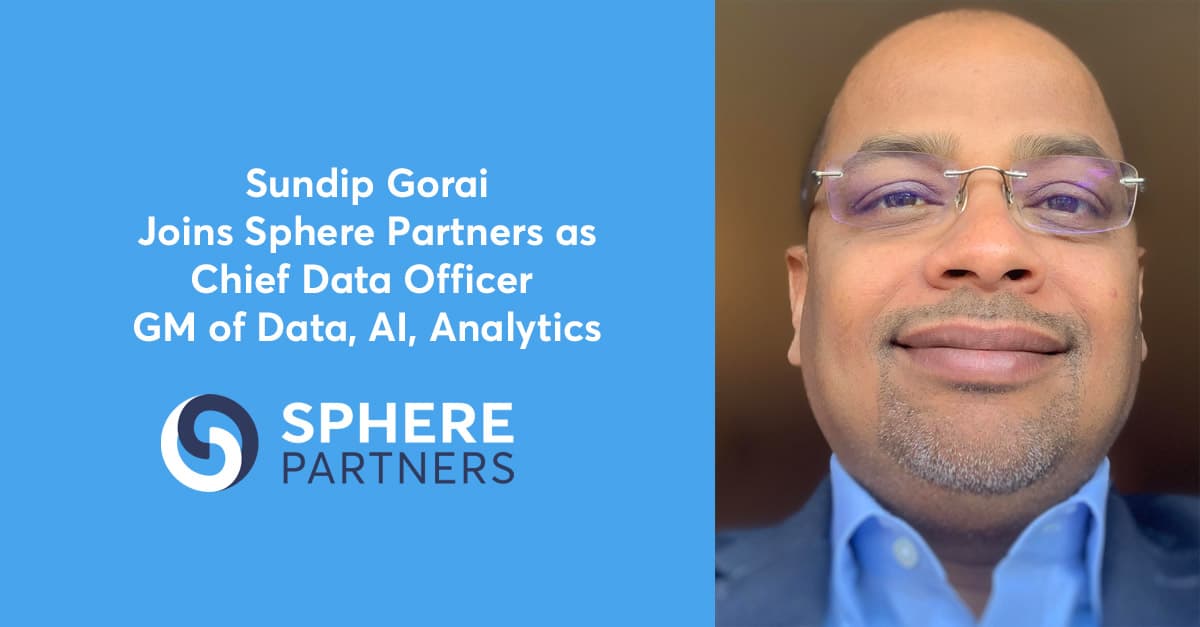
Sphere Partners Strengthens Data and AI Footprint with New Practice Lead: Sundip Gorai Joins the Team
Sphere Partners is excited to announce the appointment of Sundip Goral as Data, AI, & Analytics Practice and Chief Data Officer.
Read the article
Smart Solutions for B2B: Best AI Chatbots for the Tech-Empowered Industries
While ChatGPT is considered one of the best AI chatbots, tech companies have plenty of other options that may better meet their needs.
Read the article
How ChatGPT Can Improve the Software Development Life Cycle
Read the article
ChatGPT vs. Bard: The Battle of the AI Bots
Read the article
AI Trends in 2023: Analyzing Current AI Data Solutions and Business Integrations—and Predicting What Artificial Intelligence Evolutions May Follow
Read the article
Top AR/VR Trends in 2021: Augmentation and Virtual Reality
Read the article
Machine Learning Technology Stack - Decision Making Steps
Read the article
Artificial Intelligence Is Transforming Industrial Markets
Read the article
How Industrial AI is transforming markets?
Read the article
Artificial Intelligence: Progress Brings New Ethical Challenges
Read the article
5 Reasons to Get on the Artificial Intelligence Hype Train
Read the article